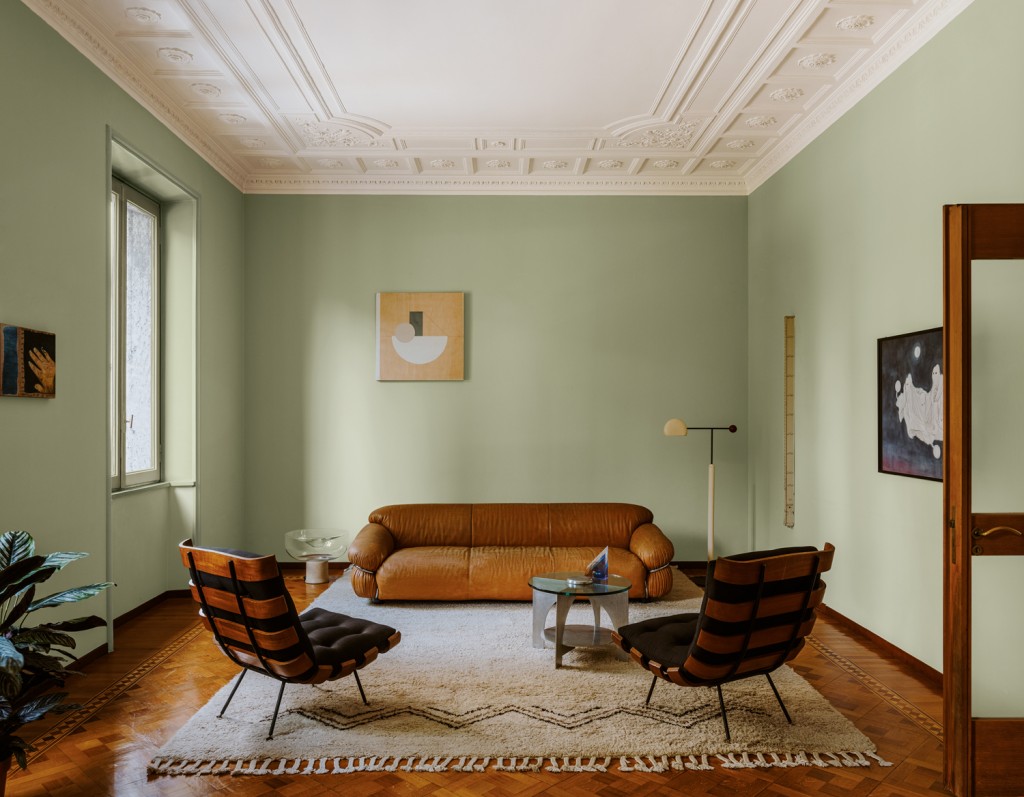
Source: freepik
If you want your air purifier to work at its full potential, installation and everyday setup matter just as much as the appliance itself. A well-placed purifier can help create a cleaner, healthier indoor environment, but only if it has enough room to draw in air, circulate it properly, and match the size of the room. The tips below explain how to position the unit, avoid common placement mistakes, and adjust its settings for better performance.
Choosing the right place to install an air purifier
The location of an air purifier has a direct impact on how well it cleans the air. To get the best results, it helps to think not only about convenience, but also about airflow and the areas where pollution is most likely to gather.
1. Proximity to sources of pollution: Place the purifier near the main sources of indoor pollution whenever possible, such as the kitchen, a smoking area, or windows that are often opened. In these spots, the device can capture particles more quickly before they spread throughout the room. This is especially useful in homes where cooking odours, smoke, dust, or outdoor pollutants regularly enter the space.
2. Medium height and a central position: An air purifier works best when it is positioned at a moderate height, ideally on a stand or table, so air can move freely around it. A central location usually helps purified air spread more evenly across the room. If the unit is placed too low or hidden in a corner, it may clean only a limited part of the space and reduce overall efficiency.
3. Keep it away from walls and furniture: To allow the purifier to draw in and release air without obstruction, keep it at least 20-30 cm away from walls, curtains, and bulky furniture. This simple precaution improves circulation and helps the appliance treat the room more effectively. Good spacing also reduces the chance of blocked vents, which can lower performance over time.
Avoiding obstacles and maintaining proper ventilation
Even a powerful purifier can underperform if the air around it does not move properly. Clear space and good ventilation are essential for making sure the device can do its job.
1. Leave enough space around the unit: The recommendation to keep the purifier at least 20-30 cm away from walls and furniture is not just a matter of convenience. It helps prevent airflow restrictions that can interfere with intake and filtration. When the unit has room to breathe, it can process air more efficiently and maintain a steadier cleaning cycle.
2. Do not place it too close to pollution sources: Although it may seem logical to put the purifier directly beside a smoker, stove, boiler, or other pollution source, this is not always the best choice. If the air is too concentrated with particles in a very small area, the device may end up recirculating polluted air without improving the room as a whole. A better approach is to place it close enough to capture contaminants early, but not so close that airflow becomes disrupted.
3. Make sure the room has proper airflow: Natural ventilation can support the purifier by preventing stale air from lingering in the room. Opening windows from time to time or using a mechanical ventilation system can help refresh indoor air. It is also worth removing objects that block circulation, such as heavy curtains, oversized furniture, or clutter that restricts the movement of air. A purifier performs best in a room where air can move freely rather than stagnate in one area.
Adjusting the purifier based on room size and volume
Choosing the right model is only part of the process. For the appliance to be truly effective, its capacity and settings should match the dimensions of the room where it is used.
1. Know the purifier’s capacity: The purifier should be suitable for the size and volume of the room. As a general guideline, it is recommended that the unit be able to clean the air in the room at least twice per hour. A purifier that is too small will struggle to improve air quality, especially in larger or busier rooms. On the other hand, an oversized unit may use more energy than necessary. Matching capacity to the space helps maintain a balance between performance and efficiency.
2. Adjust the operating settings: Many air purifiers include several operating modes and fan speeds, allowing users to adapt them to the room’s conditions. Traffic intensity, pollution levels, and the presence of allergens can all influence which setting is most appropriate. In many cases, starting with a medium speed is a practical choice, then increasing or lowering it depending on how the room feels and how much activity occurs there. This flexibility is especially useful in living rooms, bedrooms, and spaces that change use throughout the day.
3. Monitor air quality and fine-tune accordingly: Some purifiers include built-in sensors that measure air quality in real time and automatically adjust filtration speed to maintain a better level of cleanliness. When such features are available, it is useful to check the readings periodically and confirm that the purifier is responding as expected. Even without automatic sensors, paying attention to dust buildup, odours, and room conditions can help you decide whether the settings should be changed.
In practice, the best results come from combining the right placement, enough clearance around the appliance, good ventilation, and settings that suit the room’s size. When these factors work together, an air purifier can operate more efficiently and contribute more effectively to a cleaner indoor atmosphere.
latest posts published
Essential Elements That Cannot Be Missing from Scandinavian Decor

17 Original White Wood Kitchen Design Ideas

What Is Minimalism as a Lifestyle, and What Are the Benefits of This Way of Living?
Colors for Modern Kitchens: Ideas and Trends

From hanging wreaths to stockings full of treats: discover 10 ideas for decorating your Christmas fireplace mantel

5 DIY Christmas Decoration Ideas
5 Ways to Create Functional Zones by Separating the Kitchen from the Living Room
30 Black Kitchen Decorating Ideas
5 Roulette Strategies Allowed in Any Casino