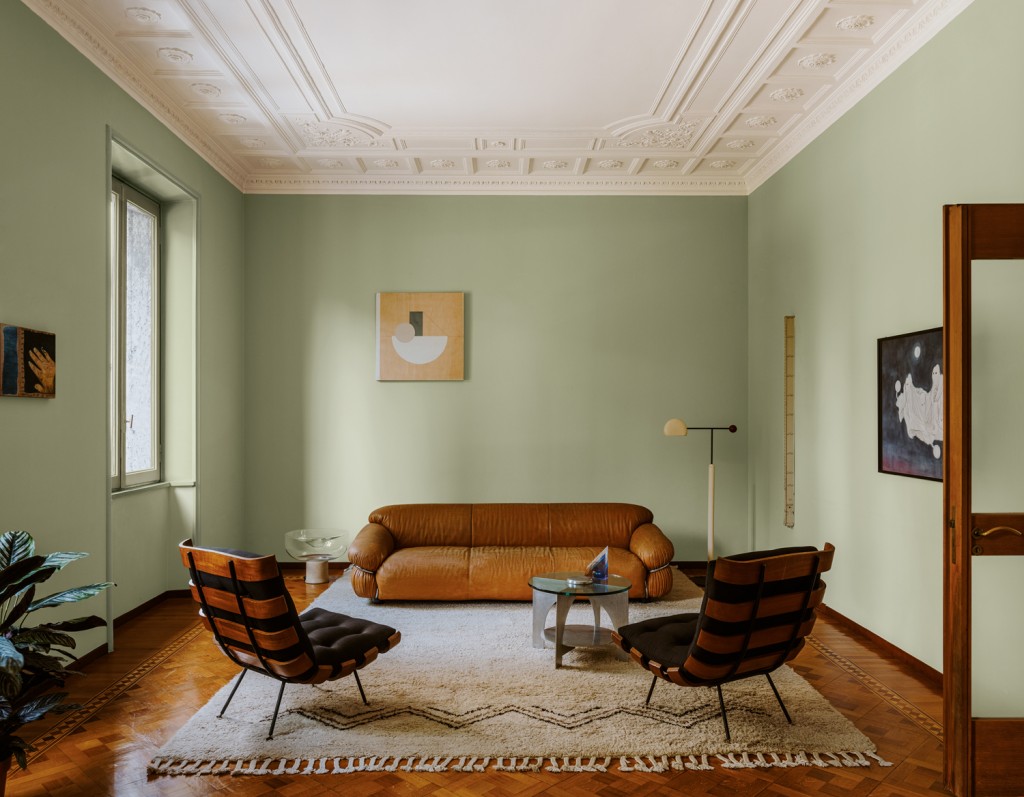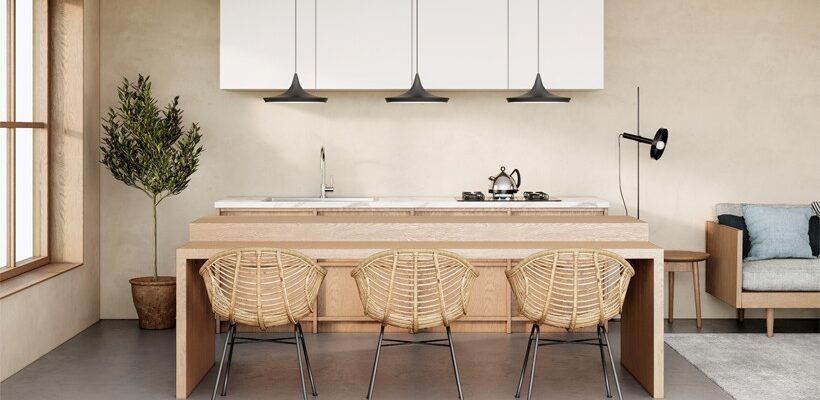
Japandi, a meeting point between Japanese and Scandinavian design, is one of the most popular interior trends right now. By blending Japanese Zen principles with Scandinavian warmth and simplicity, Japandi creates spaces that feel calm, refined, and welcoming. Here is how to bring this balanced style into your home.
● Japandi combines Japanese and Scandinavian culture around a shared focus on well-being and simplicity.
● The palette is usually built on neutral shades, complemented by darker accents.
● Furniture is chosen for its clean lines, practicality, and natural materials such as light or dark wood.
● Decorative objects are handcrafted, distinctive, and displayed sparingly. Houseplants are also used to echo the presence of nature indoors.
What Is Japandi Style?
Japandi is a fusion of “Japanese” and “Scandinavian.” These two design cultures come together through a shared appreciation of balance, comfort, and restraint. The result is an interior style that feels both warm and minimal, elegant yet approachable. Its understated character makes it suitable for every room in the house, from the living room to the bedroom and even the kitchen or entryway.
The Colors of Japandi
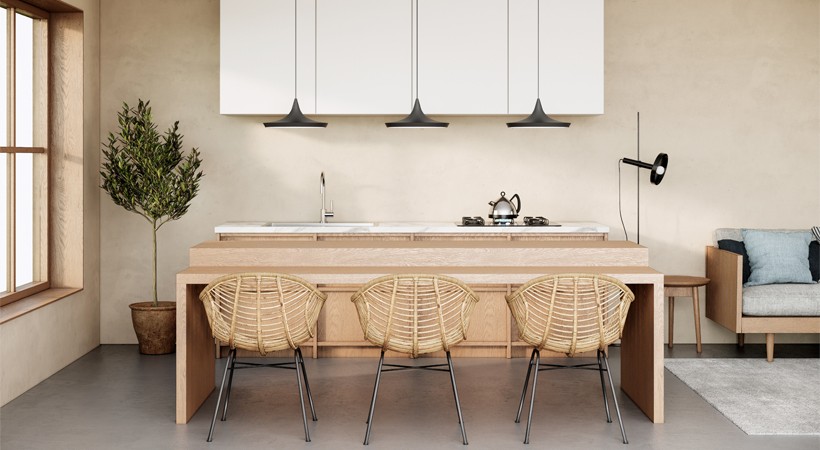
Color plays a central role in this Nordic-Japanese blend. The foundation usually consists of soft neutrals such as white, beige, and light gray, which help create a peaceful atmosphere. These shades are then paired with deeper tones in small doses: dark green, midnight blue, charcoal gray, and black. The contrast is subtle, but it gives the room depth and prevents the decor from feeling flat.
Furniture for a Japandi Interior
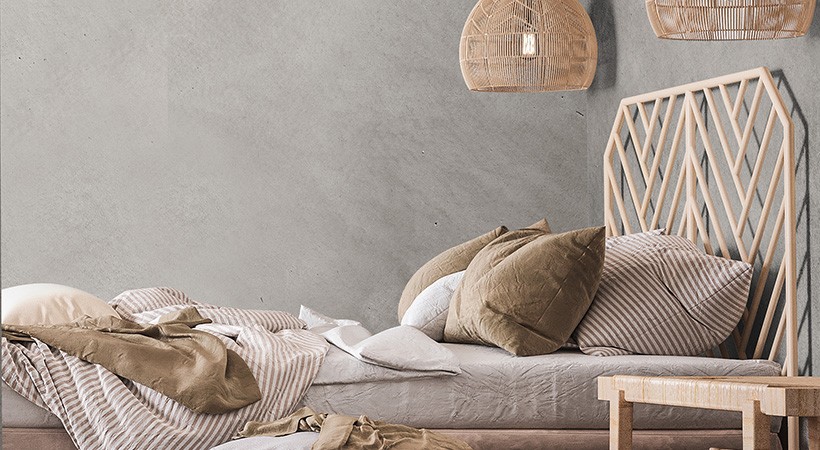
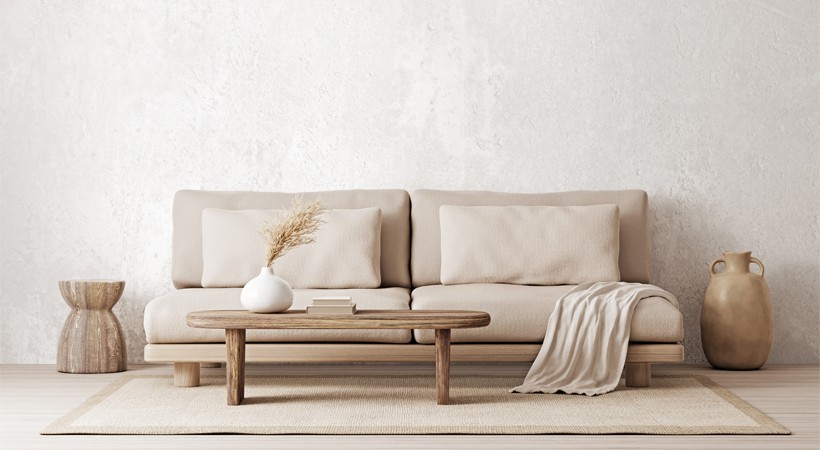
For a successful Japandi interior, choose coordinated furniture with clean lines that is both functional and visually pleasing. Closed storage is especially useful, as it keeps the room tidy and preserves the calm, uncluttered atmosphere that defines the style. Modular pieces are also a good fit, including transformable tables and sofas that adapt easily to daily life.
Light wood, rattan, and bamboo work well for the Scandinavian side of the look, while darker, lower-profile furniture leans more strongly toward Japanese influence. If you want to update an existing piece so it fits the style better, wood-effect paints can help you match it to a natural finish, whether you want the look of exotic wood, light pine, or driftwood.
Furniture placement matters just as much as the pieces themselves. Leave enough breathing room between items to maintain a sense of openness and to let light circulate freely throughout the room.
Decorative Objects
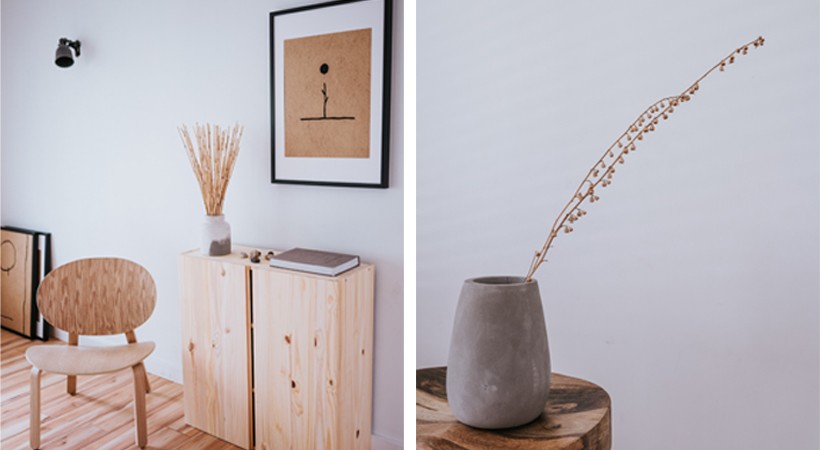
Japandi values authenticity, which is why handcrafted objects, subtle imperfections, and one-of-a-kind pieces are so important. The idea is not to collect as many decorative items as possible, but to choose a few meaningful pieces that contribute to the atmosphere of the room.
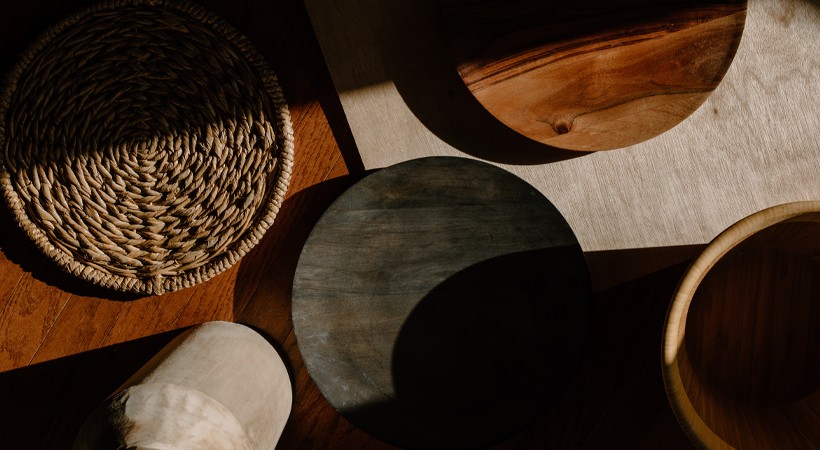
A cherry blossom branch in a ceramic vase, or Japanese tableware such as ramen bowls, ceramic plates, and tea sets, fits beautifully in a Japandi living room. Paper origami lamps that cast a soft light can bring warmth without overwhelming the space. In the bedroom, simple linen or cotton cushions and curtains complete the look while keeping the room restful and understated.
Indoor Plants
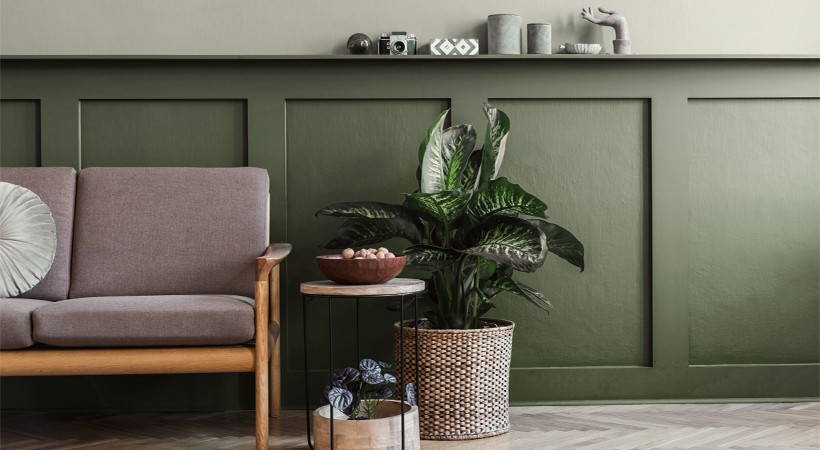
Nature is an essential part of Japandi decor. Green plants bring life into the home while reinforcing the style’s sense of simplicity and calm. Their presence recalls the beauty of Japanese gardens, where arrangements are often restrained, elegant, and carefully composed.
How to Adopt the Japandi Style
Think Clean and Uncluttered
Start by decluttering your interior. Remove unnecessary trinkets and keep only the objects and furniture that are useful or genuinely add value to the space. Japandi is minimalist, but it should never feel sterile. The goal is a room that feels refined, authentic, and intentionally edited. The principle of “less is more” is at the heart of the style, and it allows the furniture and carefully chosen objects to stand out more clearly.
Choose Natural Materials
Natural materials are essential to this look. Wood, stone, and terracotta all fit naturally into a Japandi space. For textiles, choose natural fibers such as cotton, linen, hemp, and wool. Bedding, cushions, curtains, and table linens are generally kept simple and unified, which helps maintain a sense of visual calm throughout the room.
Play With Contrast
Scandinavian influence brings in a soft, pale base of cream, white, beige, taupe, and light gray. Japanese influence then adds depth by introducing darker colors that contrast with the lighter palette. Charcoal gray, blue, green, and black can all be used in moderation to give the decor more dimension. These tones are available in the Relook All Finish range, a satin multi-surface paint.
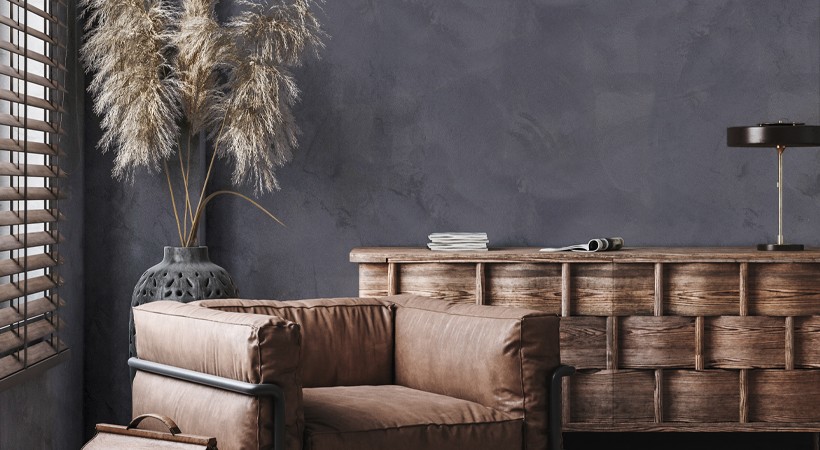
Contrast can also be created through materials. A polished concrete floor paired with a soft rug, or a glass vase placed on a wooden table, brings relief and texture to the room. These combinations keep the decor from feeling monotonous while preserving its quiet elegance.
Mistakes to Avoid
Letting One Style Dominate
Japandi works only when the Scandinavian and Japanese influences remain in balance. If the Scandinavian side becomes too dominant, the warmth associated with Japanese design can be lost. If the Japanese side takes over completely, the understated clarity of the Scandinavian approach may disappear. The strength of Japandi lies in the meeting of both worlds, not in favoring one at the expense of the other.
Rejecting Imperfection
Japandi draws on the philosophy of wabi-sabi, which values imperfection and accepts the marks of time. Small signs of wear can be embraced and even highlighted. The idea of kintsugi, where cracks are filled with gold to make them more beautiful, reflects this mindset well. Handcrafted pieces and irregular details should be seen not as flaws, but as part of the object’s unique value.
Removing Too Much Decoration
Although Japandi is refined and restrained, it still needs a few carefully chosen decorative elements to give the room character. The key is to focus on essentials without stripping the space of warmth or personality. A room that is too empty can feel cold and unfinished, which goes against the spirit of the style.
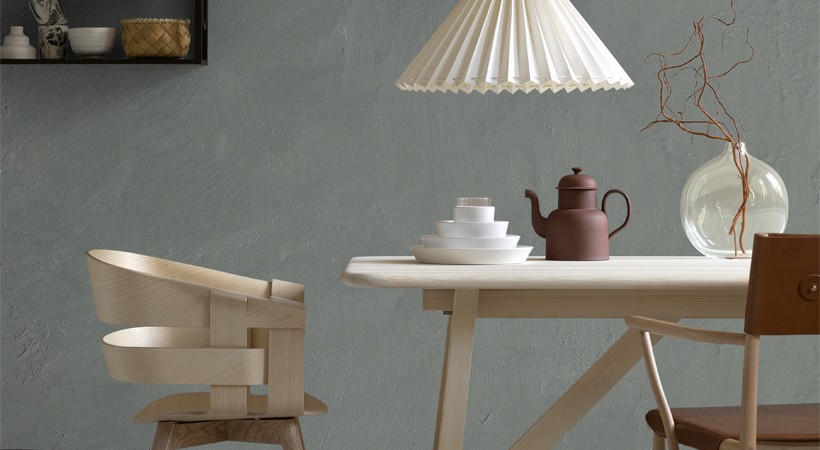
Japandi is more than a decorating trend. It is a way of living that values simplicity, comfort, and the beauty of imperfection. By combining Japanese serenity with Scandinavian coziness, it creates interiors that feel timeless, balanced, and genuinely pleasant to live in. In a bedroom or living room especially, this style can turn everyday spaces into calm, restorative places.
latest posts published
Essential Elements That Cannot Be Missing from Scandinavian Decor

17 Original White Wood Kitchen Design Ideas

What Is Minimalism as a Lifestyle, and What Are the Benefits of This Way of Living?
Colors for Modern Kitchens: Ideas and Trends

From hanging wreaths to stockings full of treats: discover 10 ideas for decorating your Christmas fireplace mantel

5 DIY Christmas Decoration Ideas
5 Ways to Create Functional Zones by Separating the Kitchen from the Living Room
30 Black Kitchen Decorating Ideas
5 Roulette Strategies Allowed in Any Casino