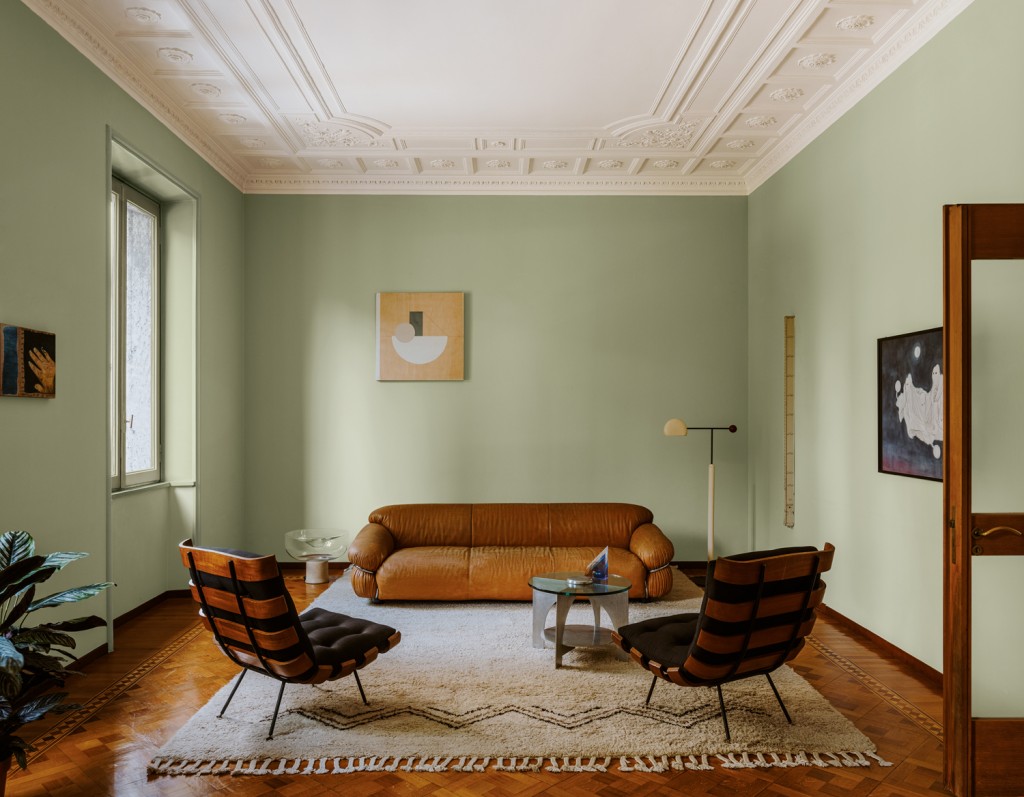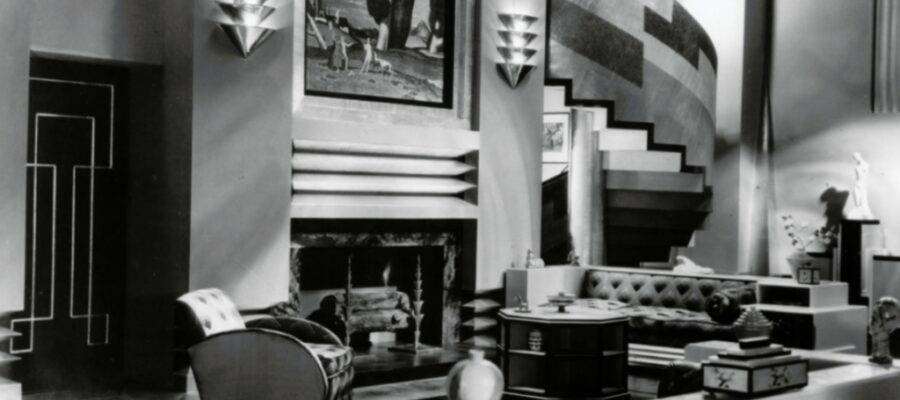
Design has always reflected the spirit of its time. What people choose for their homes is shaped not only by taste, but also by major events, economic conditions, technology, and the way daily life changes from one decade to the next.
From the glittering gold tones of 1920s Art Deco to the pink bathrooms of the 1980s, interior design has moved between bold statements and understated practicality over the last century. These shifts can be seen not only in homes, but also in art, film, architecture, and the broader culture of each era.
A review of the most recognizable interior design trends of the past 11 decades shows how closely home interiors have tracked social and economic change. The availability of mortgages and home equity credit, for example, strongly influenced what people could build, buy, and furnish. At the same time, war, recession, prosperity, and new materials all helped shape the look of the modern home.
Below is a decade-by-decade look at the styles that defined each period, along with the historical context that made them possible.
1920s: Art Deco
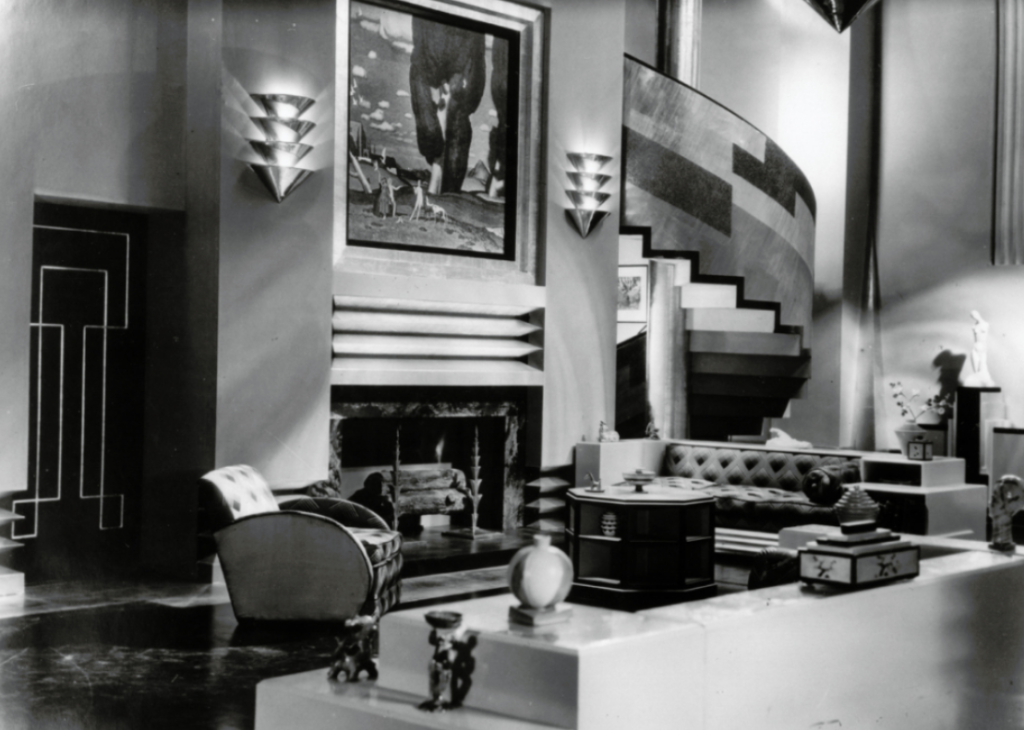
After the end of the 1918 influenza pandemic and the close of the First World War in 1919, the 1920s arrived with a sense of optimism, glamour, and excess. Art Deco, also known as Arts Décoratifs, matched that mood perfectly. Originating in France, the style is known for sharp lines, bold silhouettes, extravagant ornamentation, simple forms, and geometric patterns.
Color played a major role as well. Bright yellow, green, pink, red, and blue were often paired with chrome, gold, silver, or black accents. The effect was modern, luxurious, and visually striking.
In architecture, Art Deco embraced synthetic and industrial elements and made extensive use of materials such as stucco, concrete, and steel. The style quickly moved into the home, where it was especially visible in living rooms. Film set designers also adopted it enthusiastically, using elaborate interiors that echoed the same visual language. The image above comes from the 1929 silent film Our Modern Maidens, directed by Jack Conway. Its grand staircase, straight-lined fireplace, and gold-and-black door are classic Art Deco touches.
1930s: Modernism
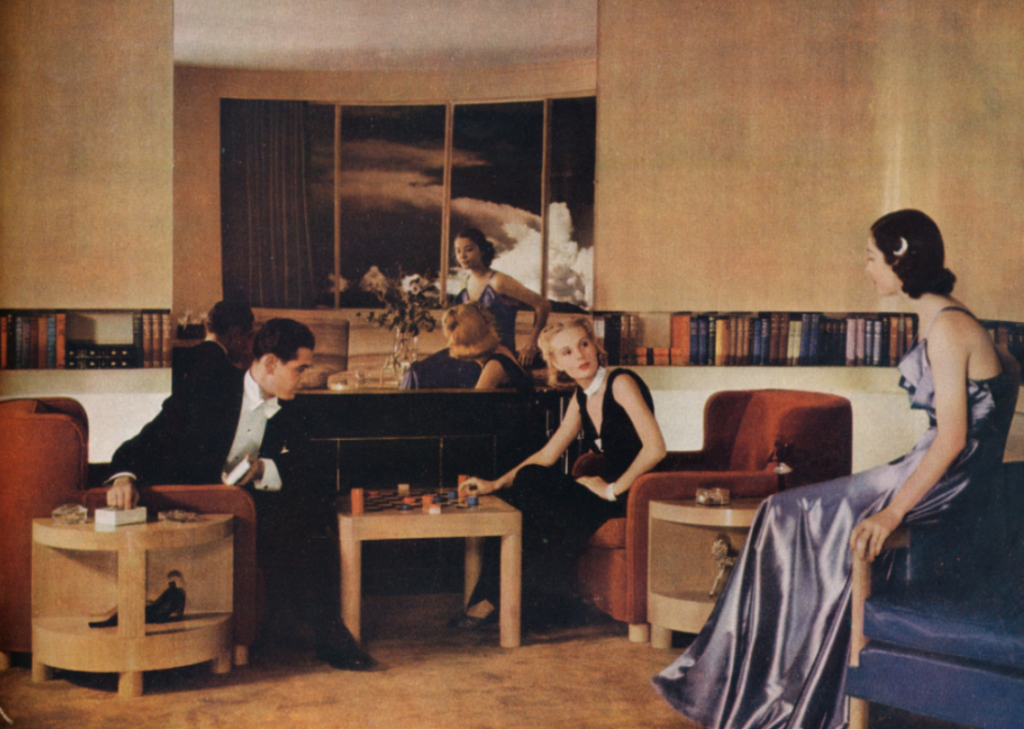
The 1930s began in the aftermath of the 1929 stock market crash and ended on the eve of the Second World War. In between, the Great Depression forced households to tighten budgets, and that financial pressure strongly influenced interior design. The decade favored restraint, simplicity, and utility over decoration.
This living room, designed by Paul MacAlister in 1938, is a strong example of the modernist approach that shaped the period. Modernism rejected the ornamentation of the previous decade and emphasized function, material honesty, asymmetric compositions, and structural innovation. Open floor plans became more common, and interiors relied on natural light and modern building materials.
Ribbon windows, reinforced concrete, curtain walls, and steel frames became defining features of modernist design. Well-known examples from the era include Villa Savoye, Fallingwater, Maison de Verre, and Lovell Health House.
1940s: Traditional American
While the 1930s were shaped by economic hardship, the 1940s were defined by the Second World War. Resources were directed toward the war effort, nonessential goods became harder to obtain, and the first half of the decade brought shortages and rationing. Interior design became practical and functional, and home layouts reflected that same attitude.
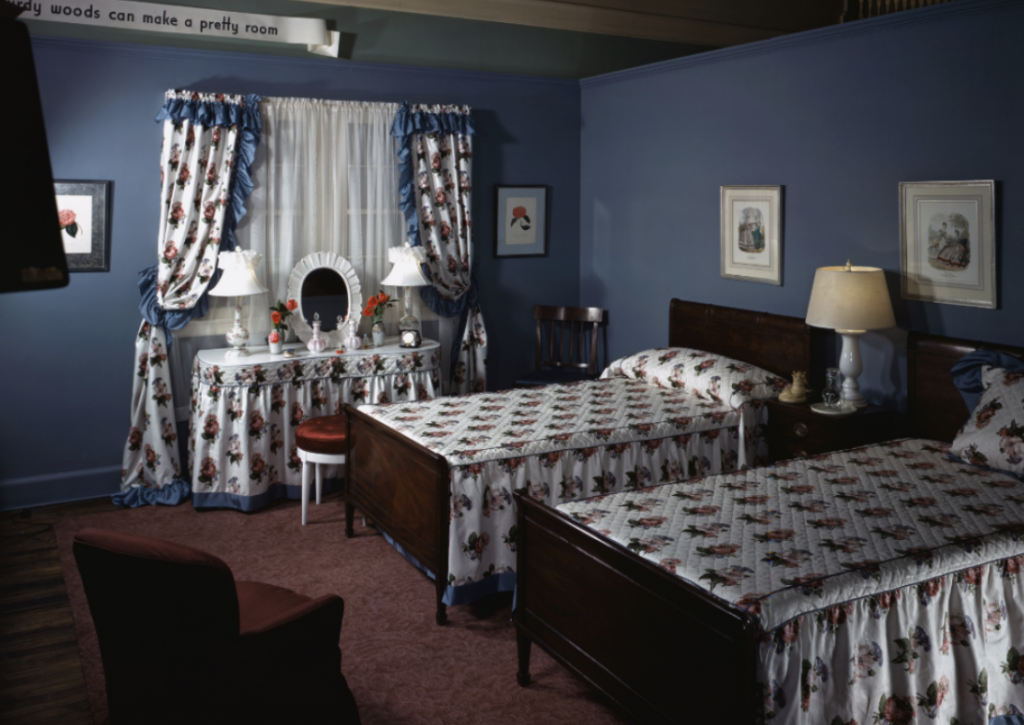
This furniture display from Marshall Field & Company in Chicago, Illinois, dated February 26, 1943, captures many elements of traditional American style. The room uses basic colors, simple floral patterns, and coordinated curtains and bedspreads to create a unified look. Ruffled fabrics and matching wooden twin beds reflect the modest, orderly feel associated with the era.

1950s: Mid-Century Modern
Mid-century modern homes featured large windows that created a strong connection between the interior and the natural world outside. Frank Lloyd Wright had a major influence on the style, and architects such as Rudolph Schindler and Richard Neutra helped advance the modernist approach in residential design.
The dining room shown here, in the home of Christopher Naughten in Silver Spring, Maryland, includes many of the hallmarks of a classic mid-century modern space. It won a Washington Post “Mad Men Look” contest in 2010, but the design itself reflects the original mid-century spirit: functional, uncluttered, and visually balanced.
Typical features included vibrant colors, clean lines, a mix of synthetic and natural materials, and both organic and geometric shapes. The style brought modernist ideas into the home in a more approachable way and became one of the most enduring looks of the century.
1960s: Psychedelic Design
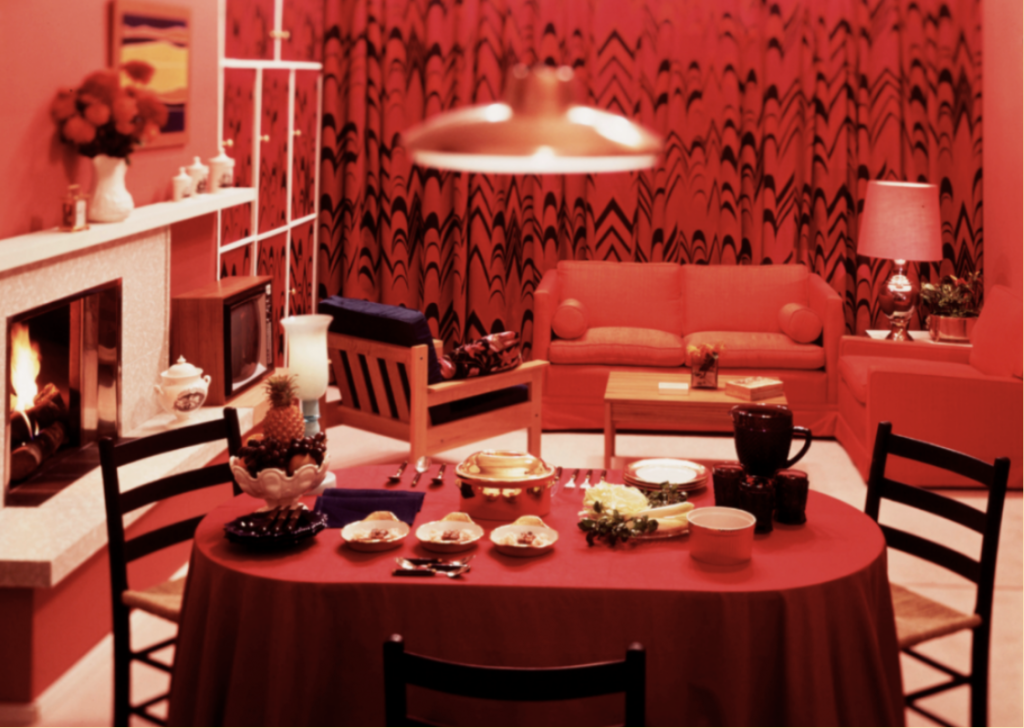
This color transparency of a dining room, taken by Zoltan Glass around 1960, captures the decade’s bold visual energy by bathing the entire space in a vivid red tone. One of the major furniture trends of the 1960s was the use of polypropylene, a thermoplastic polymer resin, to make furniture in bright colors that people could coordinate with painted surfaces.
The interior design aesthetic was heavily influenced by the counterculture and hippie movement. Psychedelic design entered the home as a dramatic alternative to mid-century modern practicality. Bright, bold colors and patterns appeared on walls, furniture, floors, and ceilings, creating interiors that felt expressive, unconventional, and intentionally attention-grabbing.

1970s: Harvest Gold and Avocado Green
This image shows a woman baking in her kitchen around 1975, surrounded by harvest gold cabinets, one of the decade’s signature design colors.
The 1970s were all about self-expression. Large windows, indoor gardens, hanging plants, wicker furniture, and avocado-green appliances were common choices. In dens and recreation rooms, shag carpets in burnt orange and red added texture and warmth, while plush seating made spaces feel relaxed and informal. Living rooms often featured sunken conversation areas or massive fireplaces built from natural materials such as stone that extended from floor to ceiling.
Split-level homes and single-story ranch houses also became especially popular during this decade, reinforcing the era’s preference for casual, livable interiors over formality.

1980s: Pastels
Pastel shades such as pink, green, and blue became a major part of home design in the 1980s. This bathroom from around 1985 uses a pastel floral motif on both the wallpaper and the shower curtain, while the blue shower tile and matching towels reinforce the look.
Pastels were not the only defining feature of the decade. Coordinated accessories became especially important, and mirrored surfaces, geometric shapes, bold patterns, and foil wallpaper were all popular choices. Technology was also advancing quickly, with complex stereo systems and videocassette players allowing people to watch movies at home whenever they wanted.
1990s: Minimalism
After the frantic, highly styled 1980s, the 1990s felt calmer, more relaxed, and more subdued. The decade embraced a toned-down aesthetic built around neutrals, simplicity, and clean lines.
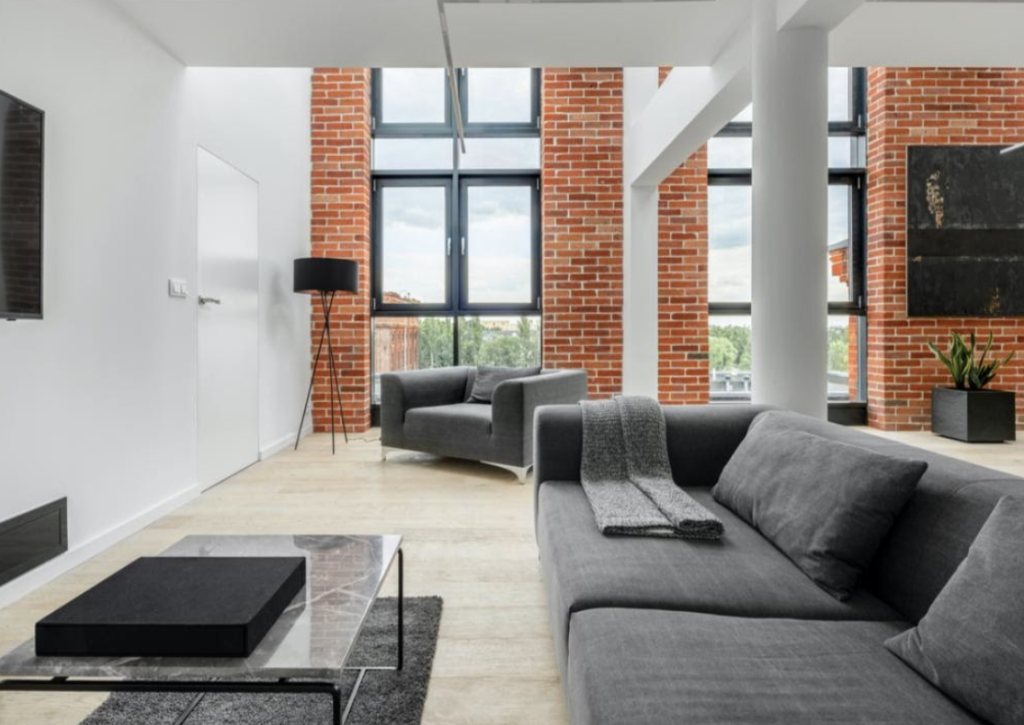
The loft apartment shown here captures that mood well, with exposed brick walls, uncluttered surfaces, and abundant natural light from floor-to-ceiling windows. Beige and gray color palettes helped reinforce the minimalist look. For those who wanted a deeper tone, hunter green became a popular accent color.
White kitchens, light wood floors, and pine furniture were also common in many homes. Japanese-influenced accents helped create a clean, uncluttered appearance while still introducing a more natural element into the space.
2000s: Shabby Chic, Vintage, and Crystal Chandeliers
The 21st century brought a renewed affection for vintage style. Shabby chic design featured furniture that looked worn, faded, and gently aged, often in pale shades such as beige, blush pink, and cream. The look did not require genuinely old pieces; newer items could be distressed to create the impression of age.
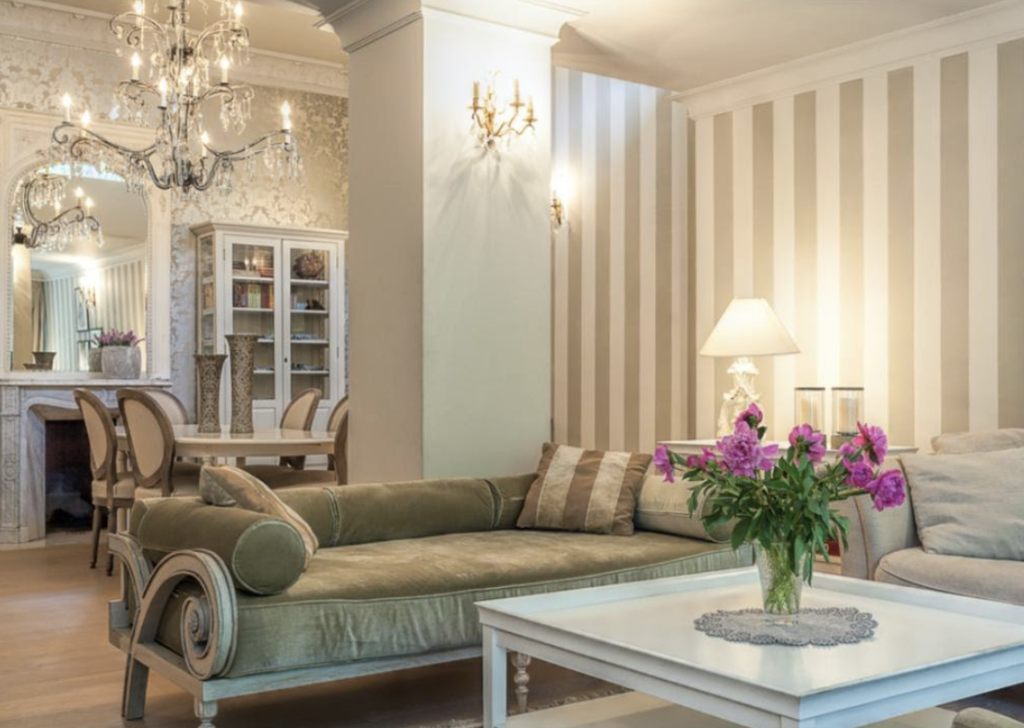
Interiors in this style often included old paintings in weathered frames, vintage wallpaper, flowing white curtains made from lightweight fabrics, and oversized chandeliers. The beige living room pictured above combines soft colors with romantic details such as crown molding, a fireplace, wall sconces, and a crystal chandelier.
2010s: Millennial Pink and Brown
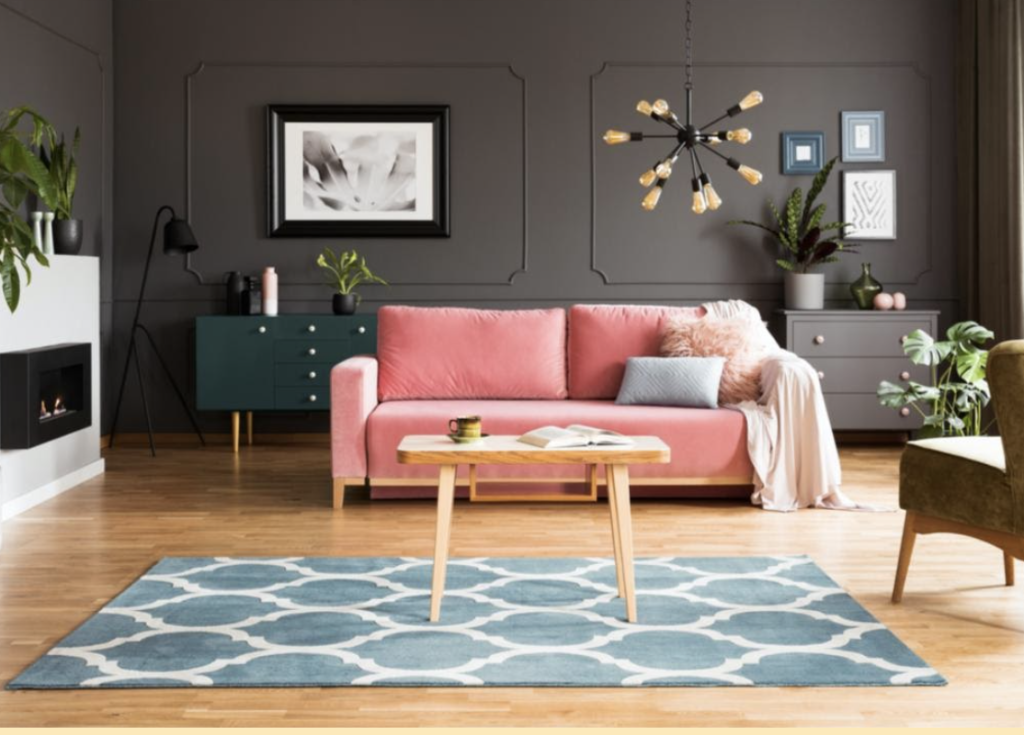
This image is a strong example of 2010s interior design, with a wooden table on a blue rug and a pink sofa in a gray living room. Pink paired with a darker color such as brown or deep gray became a popular design formula in many homes during the decade. Mixed metal furniture also came into fashion during the second decade of the 21st century.
Millennial pink was often used as an accent on a wall or door, turning it into a focal point in the room. Other major trends of the decade included chevron patterns, Scandinavian minimalism, and the modern farmhouse style, which combined antique furniture, shiplap, industrial fixtures, and a simple gray, white, and black palette.
2020s: Defined Spaces and Natural Materials
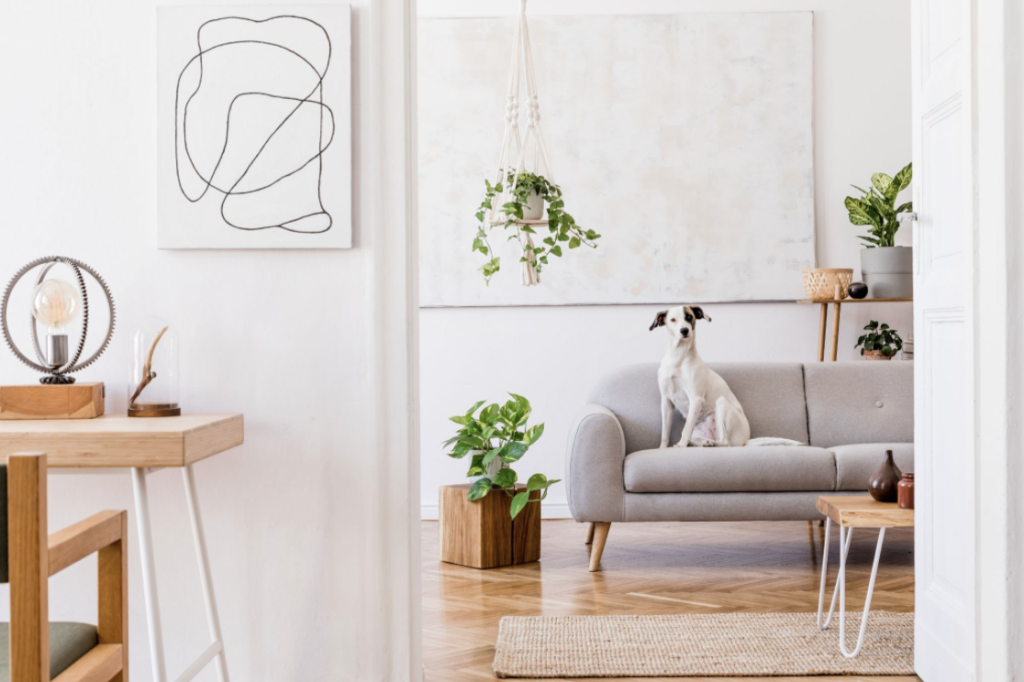
Natural materials such as wood paneling, woven art, and textured textiles have already earned a prominent place in 2020s interior design. Although the decade is still young, a clear movement toward eco-conscious design is underway.
The image above shows a modern boho interior with several natural elements, including plants, a wooden desk, and wood flooring. Another important shift in home design has been the return of clearly defined rooms.
Open-concept layouts became increasingly difficult to live with during the coronavirus pandemic, especially as people tried to work from home. In response, homeowners and designers began looking for ways to make spaces more functional, using partitions or doors to separate work areas from living areas.
latest posts published
Essential Elements That Cannot Be Missing from Scandinavian Decor

17 Original White Wood Kitchen Design Ideas

What Is Minimalism as a Lifestyle, and What Are the Benefits of This Way of Living?
Colors for Modern Kitchens: Ideas and Trends

From hanging wreaths to stockings full of treats: discover 10 ideas for decorating your Christmas fireplace mantel

5 DIY Christmas Decoration Ideas
5 Ways to Create Functional Zones by Separating the Kitchen from the Living Room
30 Black Kitchen Decorating Ideas
5 Roulette Strategies Allowed in Any Casino