When it comes to children’s bedrooms, one of the biggest concerns is not only decoration, but also organization and how well the space works in everyday life. Modular furniture that is both attractive and practical makes the most of the available room while giving children room to move, play, and grow. A well-placed, well-lit study table, for example, can make homework and creative activities much easier to approach.
Decoration should reflect the child’s world and take their tastes into account, but it should not be overdone. Too many different colors mixed together, an excess of decorative objects, or rows of identical toys can quickly make the room feel crowded rather than inviting.
For instance, a corner filled with too many stuffed animals or too many action figures does not create a harmonious look. The key is to distribute colors and decorative elements in a balanced and efficient way, so the room feels lively without becoming visually chaotic.
It helps to create small “worlds” within the room by choosing accessories that encourage imagination, such as chalkboards, toys, and other items that children can easily reach. This supports independence too, allowing them to play and enjoy themselves without constantly asking adults for help.

There are also bedrooms designed with a child’s growth and development in mind. In these spaces, neutral-colored furniture can be paired with themed accessories that are easier and more affordable to replace over time as tastes change.
If you are looking for inspiration, the following ideas can help guide the design:
Soft color palette
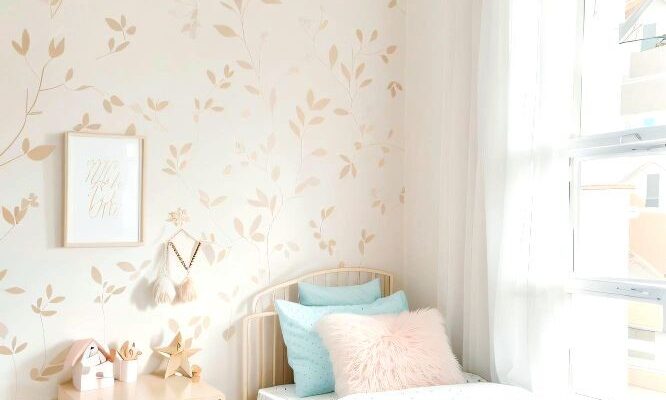
Choose gentle, relaxing colors such as pastel shades of blue, green, yellow, and pink. These tones bring calm and serenity to the environment, creating a peaceful space for children.

Combine neutral colors with small accents
Use a neutral base such as gray, beige, or white, then add small touches of stronger color through accessories and decorative details. This approach keeps the room balanced while still giving it personality.
Earth tones
Earthy colors such as brown, terracotta, and ochre can also be an interesting option. They evoke nature and create a warm, comfortable feeling in the room.
Vintage-inspired colors
Explore colors that suggest a vintage mood, such as olive green, mustard, or light blue. These shades can give the bedroom a nostalgic and distinctive atmosphere.
Nature-inspired colors
Use colors inspired by natural elements such as the sky, the sea, and the forest. Deep blue, forest green, and sandy tones can all work beautifully in a child’s bedroom.
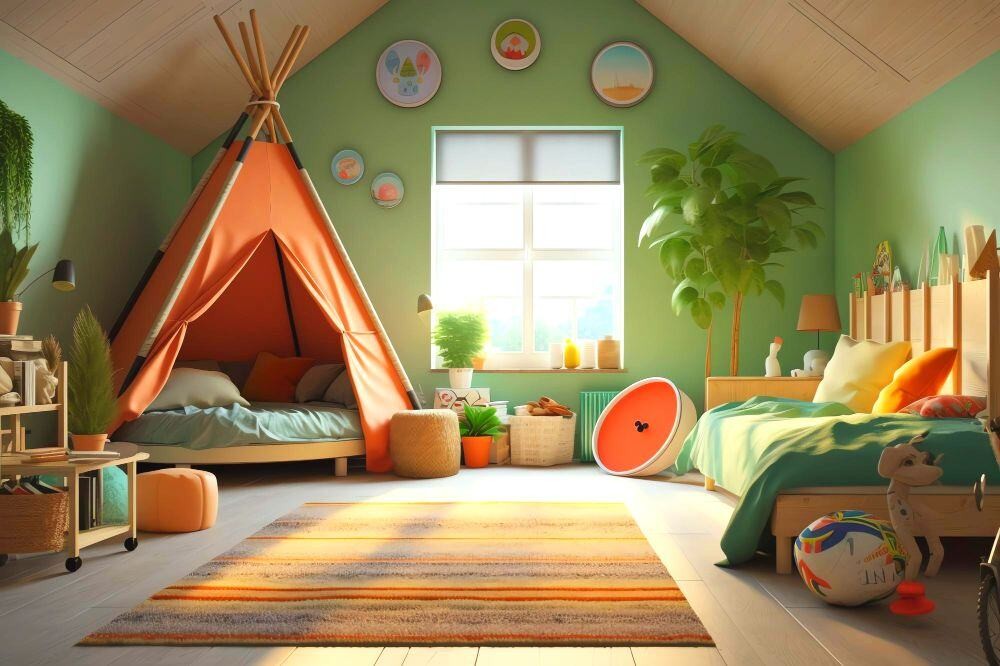
Soft, neutral colors that grow with the child
If you are planning for the long term, choose furniture in neutral shades such as white, beige, or light gray. You can then add themed decorative elements that are easy to change as the child gets older and preferences evolve.
Minimalist style
If you prefer a more minimalist approach, keep the palette very neutral and the decor simple and functional. Avoid overloading the space so that the room remains open, calm, and easy to use.

Remember that choosing colors depends on the child’s style and personality, as well as the atmosphere you want to create in the room.
Children’s bedrooms: a mix of magic and fun
The decor should preserve the joyful spirit of the space while keeping everything organized, structured, and aligned with the child’s style.
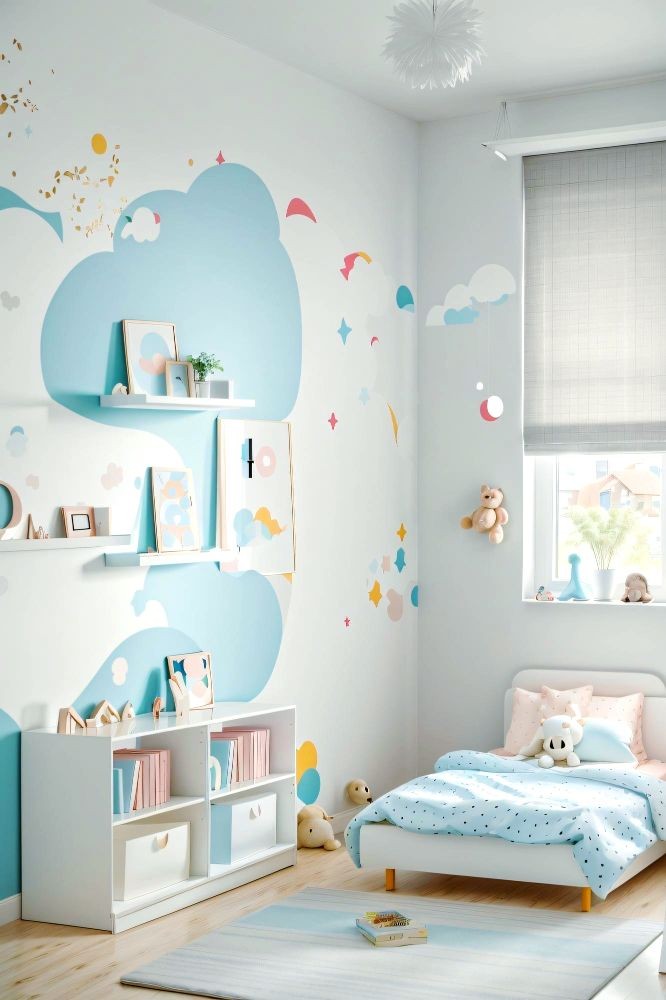
White is one of the most popular colors because it is neutral and gives the room brightness, space, and a sense of calm. But since children are often drawn to brighter colors, toys and decorative objects can be used to introduce more vibrancy without overwhelming the room.
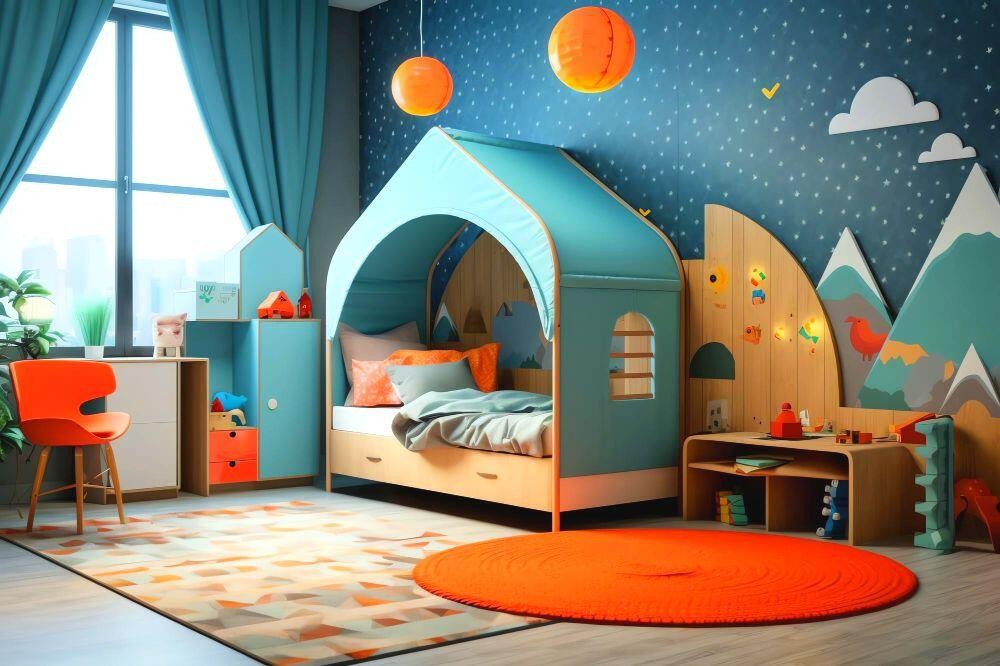
Themed cushions and wall stickers are excellent ways to personalize the environment. You can choose stickers featuring a favorite animal or a beloved animated character to make the room feel more personal and engaging.
Furniture layout and organization
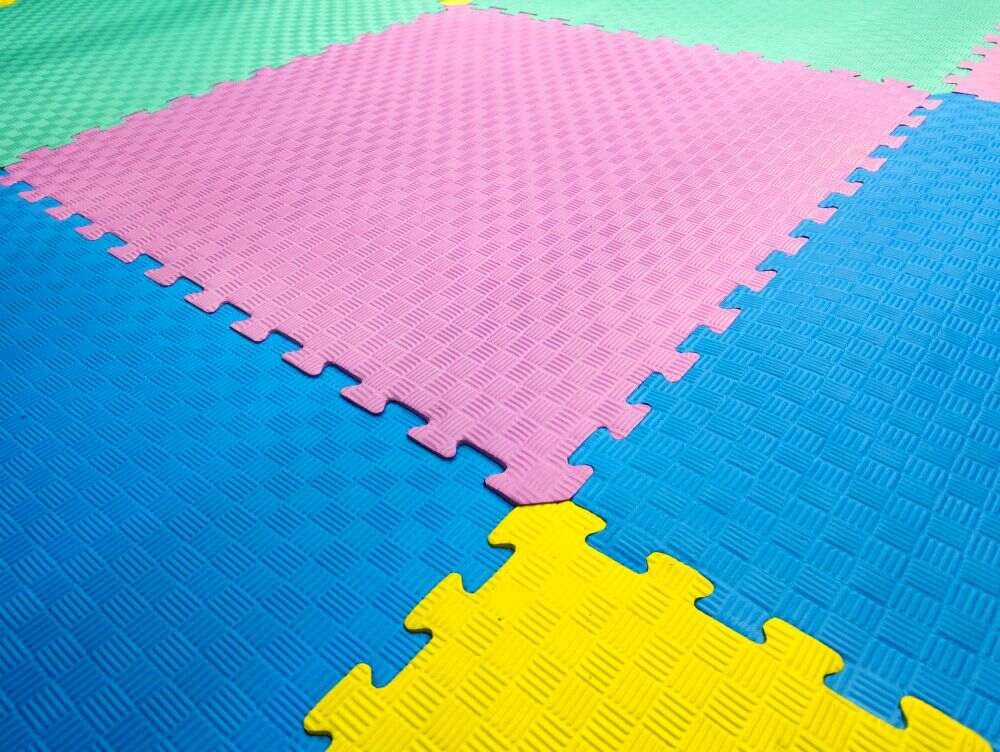
The bed, wardrobe, and drawers can be placed along the walls, leaving the center of the room open for play. EVA mats are soft and help protect against cold floors.
Shelves and wall niches improve both the look and the organization of the room, keeping frequently used items within easy reach of children. They also help maintain order without taking up valuable floor space.
Storage boxes are especially useful after playtime. They are easy for small children to use and create clear places for dolls, cars, stuffed animals, and other toys.
A comfortable room should stay cool and well ventilated
For climate control in the bedroom, ceiling fans and humidifiers are both good options. A window with fabric curtains or colorful blinds helps soften the atmosphere and can also be practical at bedtime.
Table lamps create a dimmer environment for children who have trouble falling asleep in complete darkness.
Ultimately, whatever choices you make, the most important thing is to create a welcoming and safe space for children.
latest posts published
Essential Elements That Cannot Be Missing from Scandinavian Decor

17 Original White Wood Kitchen Design Ideas

What Is Minimalism as a Lifestyle, and What Are the Benefits of This Way of Living?
Colors for Modern Kitchens: Ideas and Trends

From hanging wreaths to stockings full of treats: discover 10 ideas for decorating your Christmas fireplace mantel

5 DIY Christmas Decoration Ideas
5 Ways to Create Functional Zones by Separating the Kitchen from the Living Room
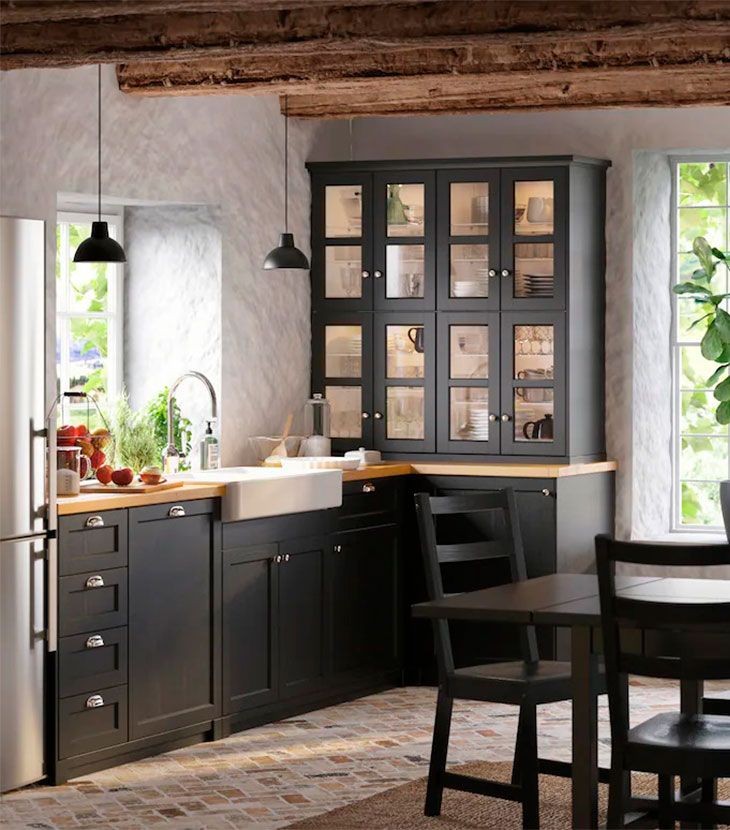
30 Black Kitchen Decorating Ideas
5 Roulette Strategies Allowed in Any Casino