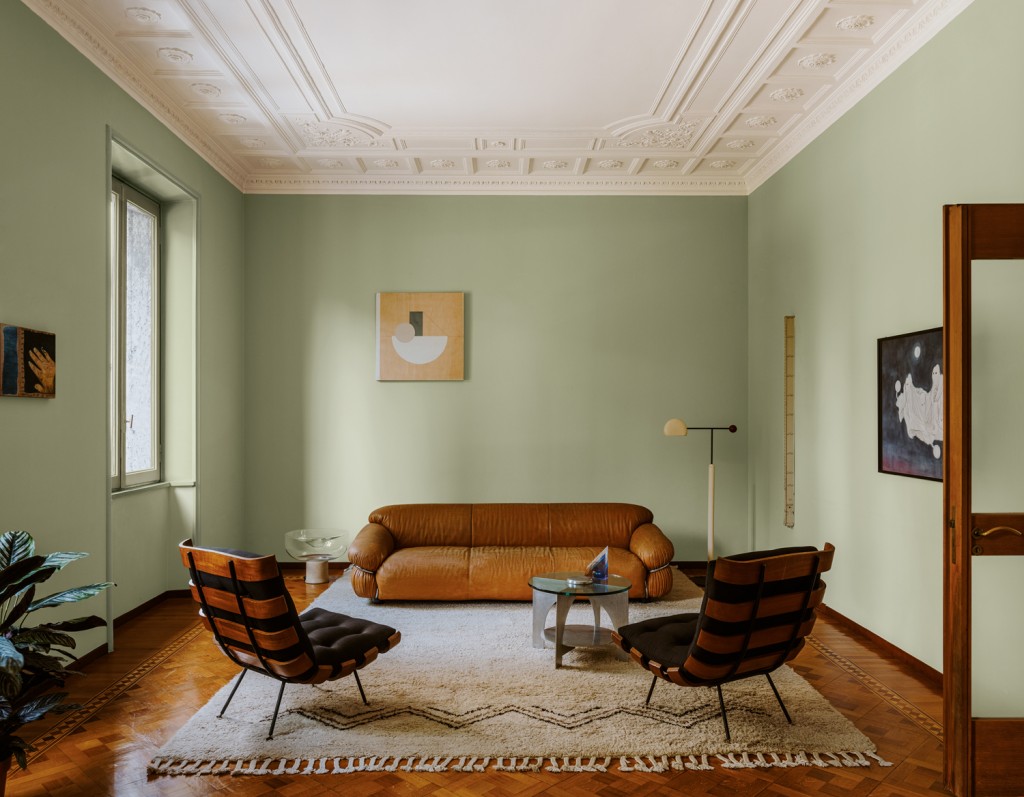
The way people want to decorate has shifted noticeably in recent years. More than ever, we want our homes to feel uplifting and emotionally supportive, which often starts with surrounding ourselves with things that make us feel good. Think movable cocktail cabinets, seating designed to encourage conversation, and interiors with a playful, glamorous, and slightly dramatic edge.
That desire is showing up in many different forms. Below are the interior design trends that are expected to be especially influential in 2024 and beyond, from materials and finishes to furniture shapes and decorative details.
26 interior design trends for 2024
Interior designer Tara Bernerd sees a broad move toward sophistication, but in a softer, more relaxed version than before. The look borrows a little from Scandinavian design and a little from maximalism. “While that feeling of luxury remains very important, we all now want something that feels accessible,” she says. “Something you can walk around in barefoot without feeling nervous.” She notes that people still want rooms to feel grand, but the mood is changing: a dramatic living room may be paired with a chic media room where textures are more casual, more tactile, and more comfortable. It reflects a wider shift toward looking polished without appearing overly formal.
Here’s what is expected to be big in 2024, and which materials, textures, and colours are worth paying attention to.
1. Long, sculptural pendants
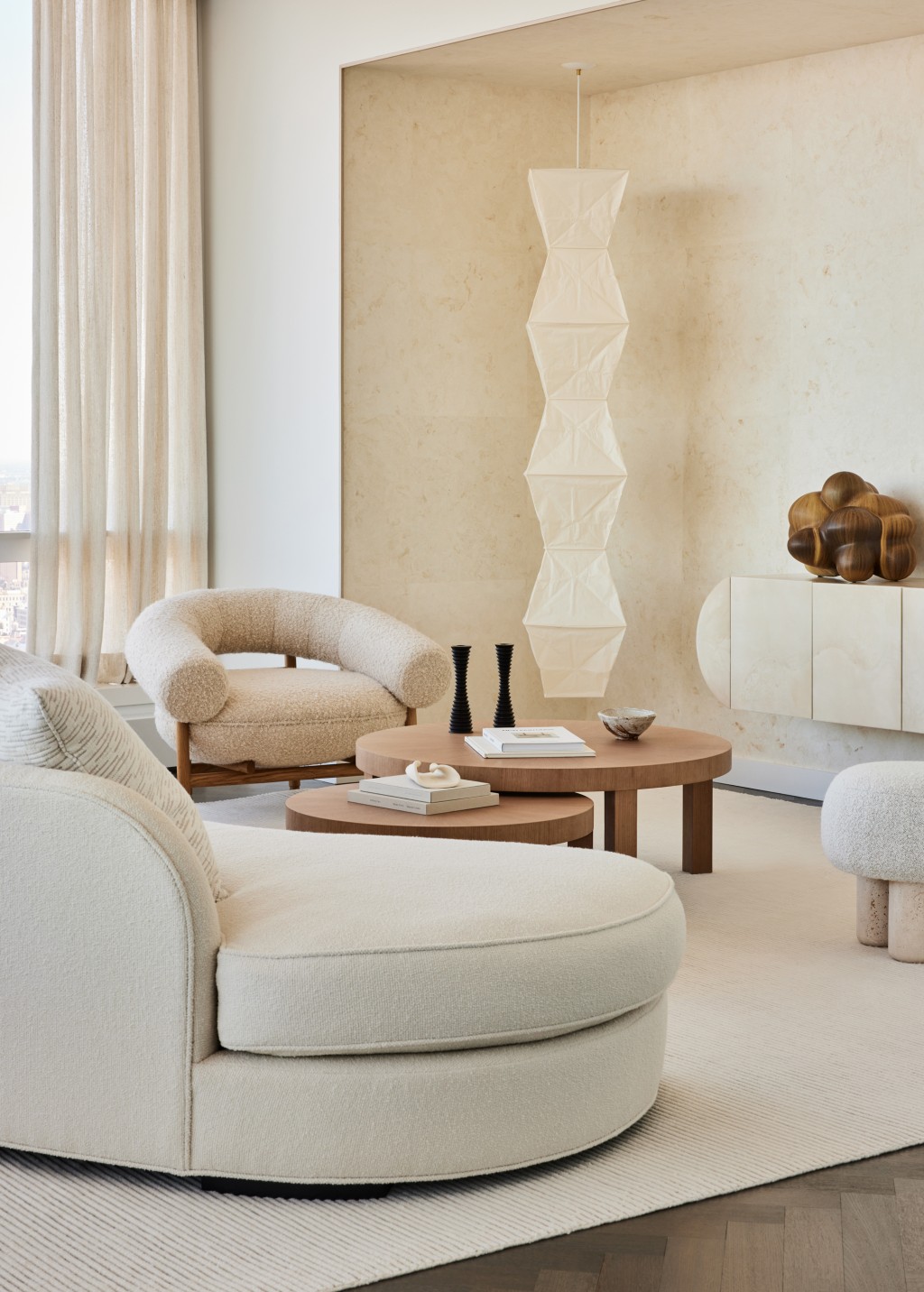
When it comes to lighting for dining rooms, bedrooms, or living spaces, elongated shapes are taking centre stage. These pendants cast focused, eye-catching light while also acting as decorative objects in their own right. Their appeal lies in the combination of playfulness and polish: the curved silhouette creates a striking visual statement, while the directed glow supports the kind of atmosphere many people want at home now — warm, flattering, and sociable.
“My favourite lighting trend is using fixtures that can be both functional and decorative,” says interior designer Nina Magon. “If you need a central light, it should feel sculptural rather than purely practical.”
2. Gold-plated ceramics
Designers are warming up minimalist palettes with a subtle Midas touch. Functional objects, such as a lemon squeezer, are now being elevated into art pieces, and the result feels refined rather than flashy. The look has moved a long way from the iconic Philippe Starck Juicy Salif, arriving instead at hand-painted ceramic pieces that feel charming, tactile, and carefully made.
This approach also aligns with the quieter minimalism many people are now drawn to. “Minimal living isn’t just about having a clean home,” says Helene Pinaud of Heju Studio. “It is also about celebrating nature and authenticity. That’s why we’re not afraid to include handmade, vintage, and artisanal pieces, but always within a calm, neutral palette.”

Add a bright note to your table styling with a brass vase in a modern cylindrical shape.
3. Variations on gold
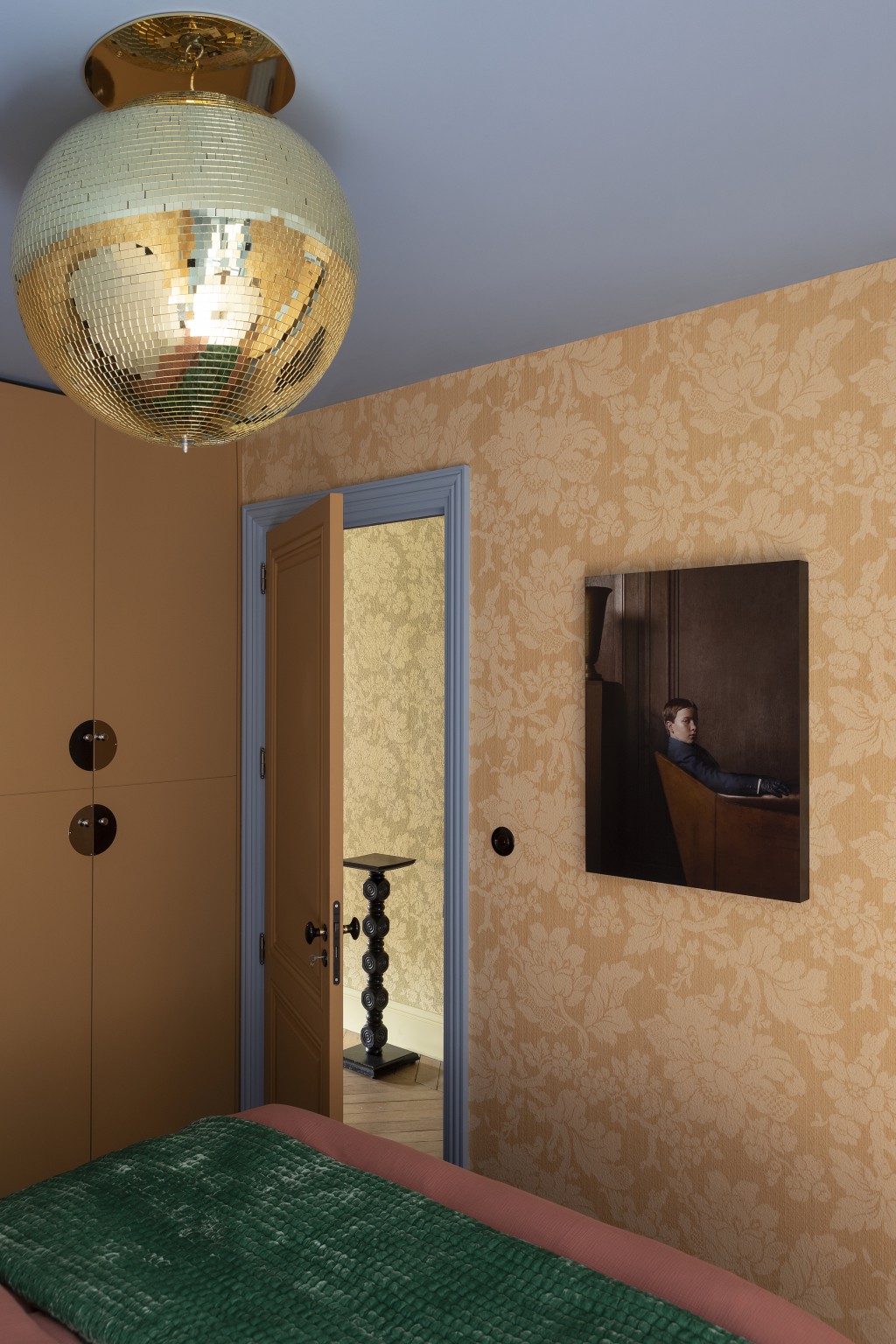
Like sunset tones, warm gold brings a sense of luxury to a room without feeling cold or severe. Bethan Gray has used it on furniture, Arflex has brought it to seating, and many designers are incorporating it into wallpaper, tiles, and other finishes. It pairs well with a wide range of colours, which makes it especially useful for layering and for creating spaces that feel rich but still liveable.
“Right now, we’re drawn to more nuanced finishes such as dark brass and lighter bronze tones,” says Candace Shure, founder of Shure Design Studio. “But as long as gold or metallic tones complement the space and add balance and warmth, they will always feel timeless.”
There is also a growing interest in silver-toned finishes. “We’ve seen a lot of brass over the last 10 years,” says Shannon. “Now people are leaning more toward silver tones. Stainless steel and chrome are coming back, and they work beautifully with marble or travertine for a luxurious minimal look.”
4. White lamps
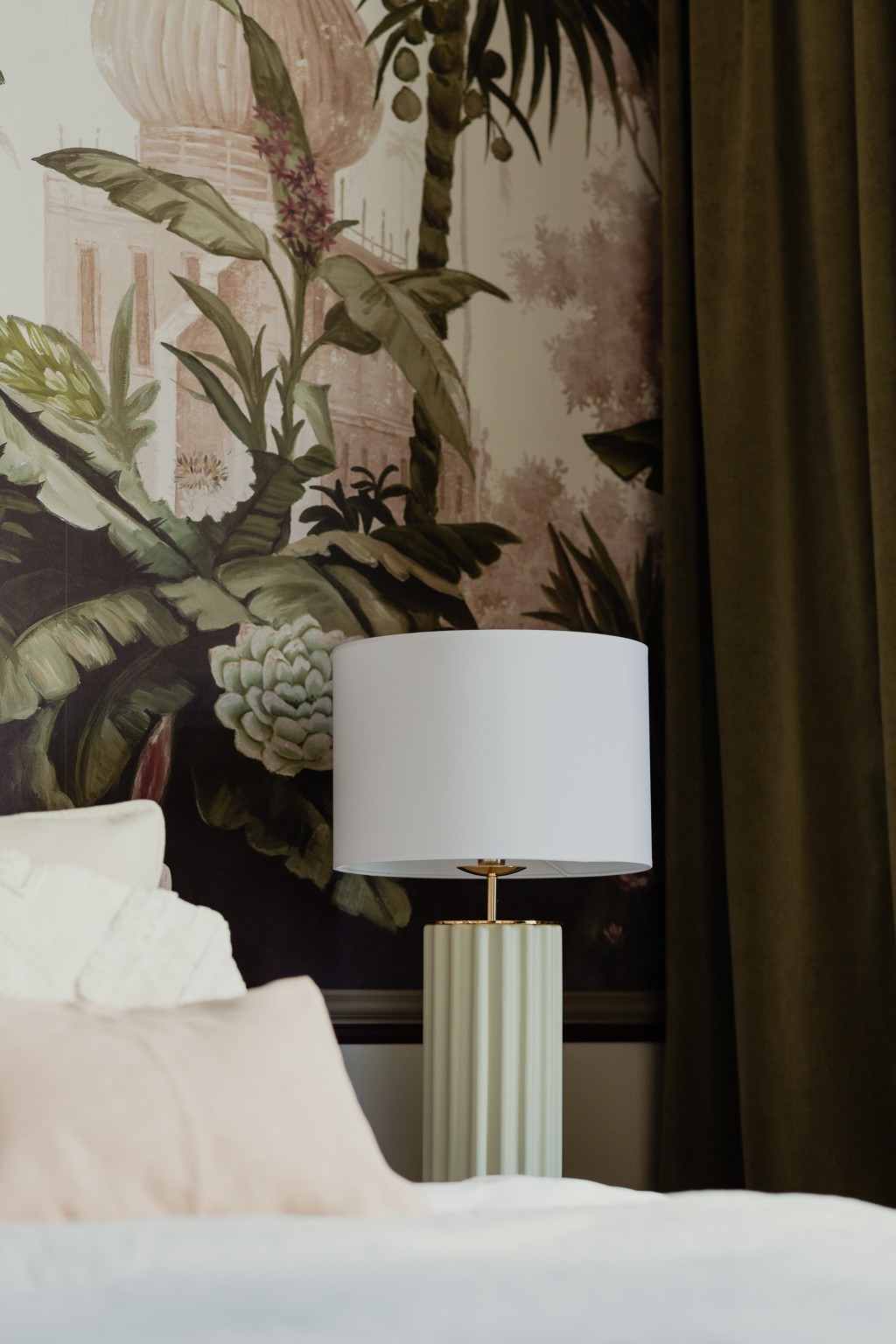
This lighting trend strips away colour and places all the emphasis on form. “We love monochrome spaces,” says Chelsea Reale of Sissy + Marley. “Especially in smaller settings, because they allow the eye to move through the room without interruption.”
These lamps are not just light sources; they also function as sculptural pieces. Their quiet presence adds shape and depth without cluttering the space, while still offering soft, even illumination.

Consider this ceramic lamp if you want a piece that suits almost any style of home while adding a warm glow.
5. Aluminium objects
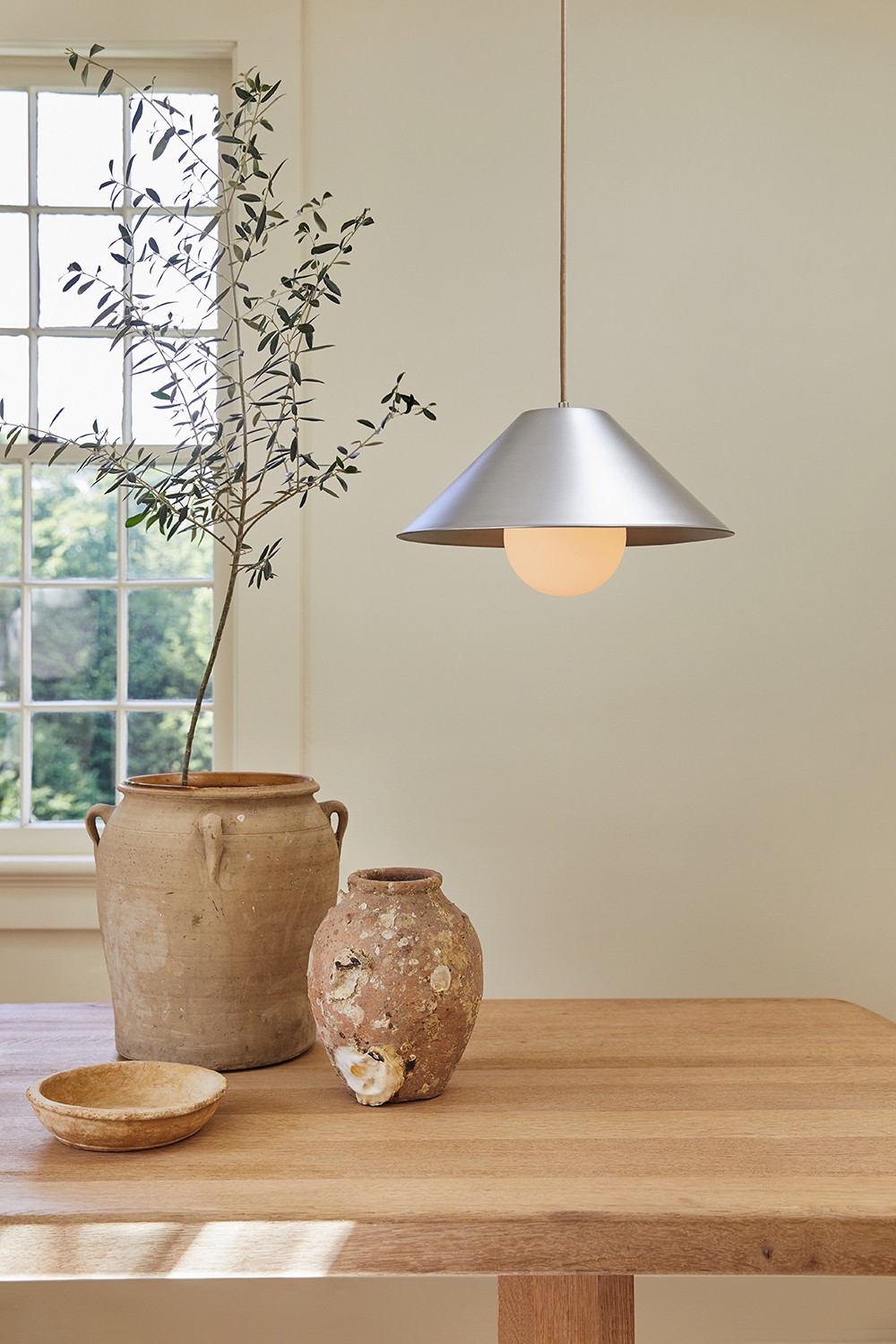
Easy to recycle and visually versatile, aluminium has moved far beyond beverage cans and into some of the most desirable interiors around. It fits into a broader design movement that values more sustainable choices and materials that feel both modern and practical. “Rough and smooth, shiny and matt, black and white — we like to use a range of materials to avoid monotony,” says Tom Dixon, who has used aluminium for lightweight chairs. MDF Italia has created a bench from it, and New York studio Workstead has incorporated it into a lighting collection.
Its appeal lies in the contrast: soft conical shapes paired with the crisp edge of waxed aluminium create a look that works especially well in industrial-leaning interiors. The effect feels less like a clash and more like a natural partnership.
6. Decorative storage boxes

If there is one big design mood for 2024, it is retreat: living more simply, reducing clutter, and creating interiors that feel calm. Minimalism is no longer about strict emptiness; it is about pairing clean lines with a discreet but luxurious atmosphere.
That is where decorative storage boxes come in. They help clear the visual clutter while offering more personality than a plain glass jar. Artisans, designers, and well-known brands are all offering their own versions.
“We’ve seen huge demand for these in our projects,” says Candace. “They’re used for home office files, children’s items, and styling throughout the house. Most of us have things we don’t want to look at all the time, but still need to keep. Decorative storage boxes solve that problem beautifully.”
7. Curved cabinets

Storage is becoming more generous, but also much more stylish. Curved cabinets continue the same desire for organised, uncluttered living, but with a more glamorous edge.
Not all storage is meant to disappear. In the case of wet bars and cocktail cabinets, storage can become the starting point for entertaining. “Organic shapes are very inviting,” says designer Bryan O’Sullivan. Here, the 88 Secrets bar cabinet by Scarlet Splendor nods to Italian design with rose-metal details and a rich, opulent palette. Handmade in Kolkata, it offers a highly individual way to store and serve drinks, with customisable finishes available.
8. Social seating
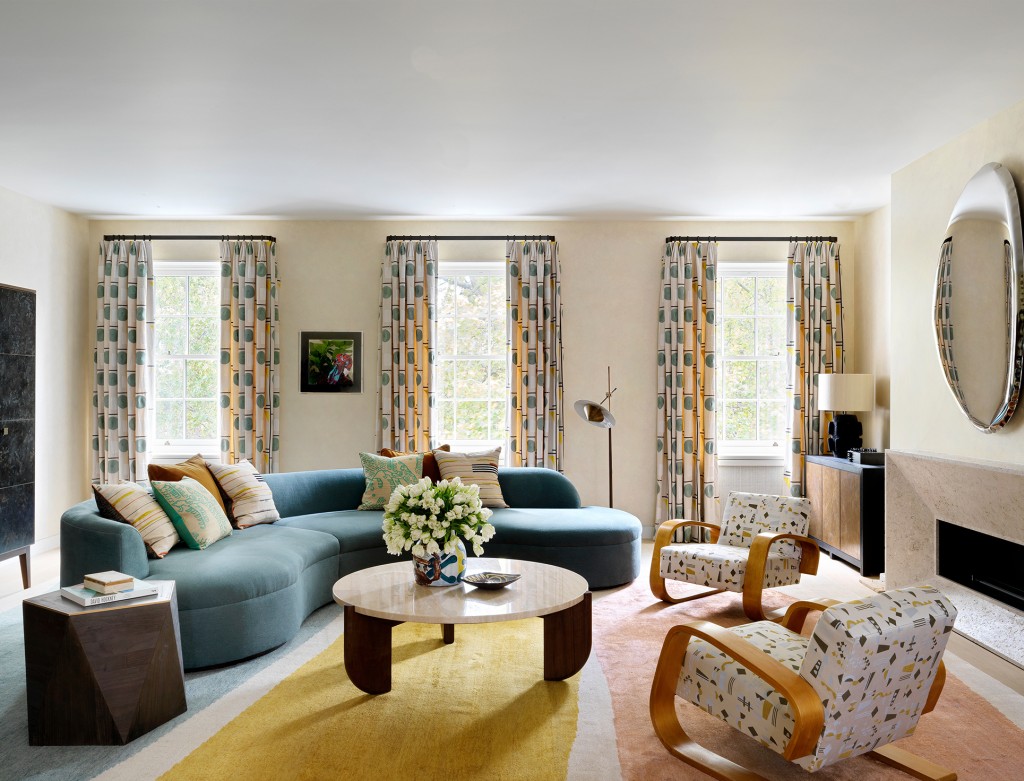
Furniture designers are responding to the desire to bring people together again. This new era of seating is focused on encouraging face-to-face conversation and creating layouts that make it easy to stay connected.
A curved sofa can seat two people separately while still making them feel close. “The shape is softer and less formal,” explains French designer Julien Villenueve. “It creates an enveloping setting in which the whole family can sit together.”
9. Minimaluxe
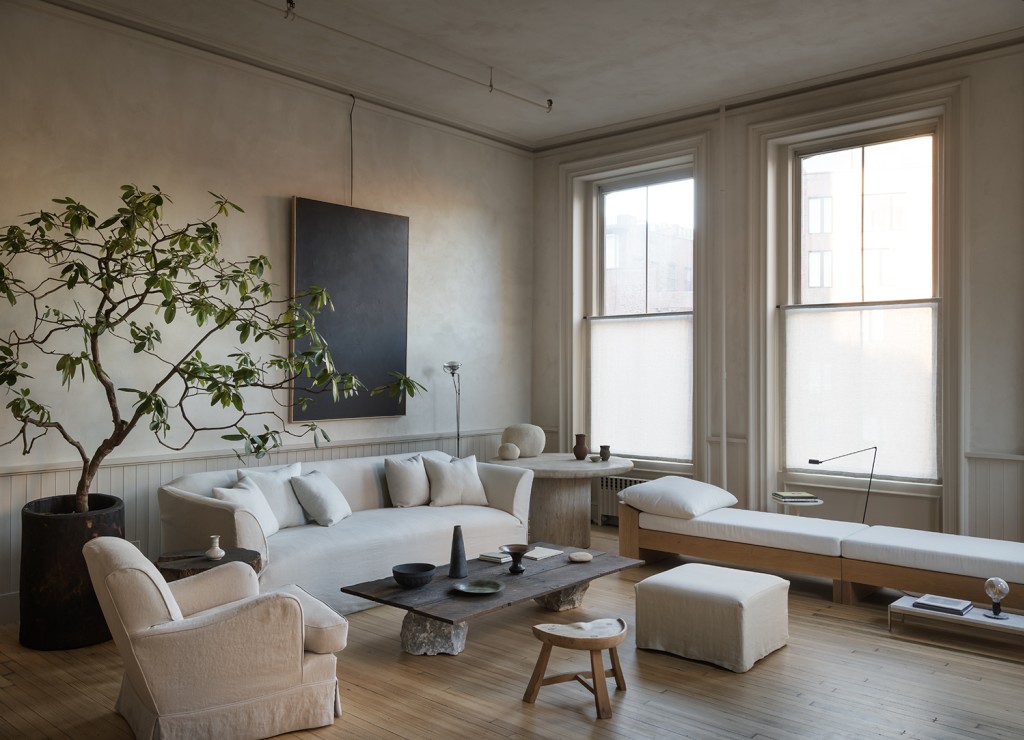
Minimaluxe is a pared-back palette that still allows favourite objects to shine. Soft textures, gentle forms, muted colours, and an airy sense of light define the style.
Stylist Colin King says that in his New York apartment, the window is deliberately left unadorned so the room does not feel over-decorated. That balance between simplicity and personality is exactly what minimaluxe is about.
10. Zellige tiles

Recovered or vintage-inspired aesthetics are more popular than ever, and in kitchens and bathrooms, glossy but characterful Zellige tiles are leading the way.
“When it comes to tiles, it’s all about Zellige,” says Candace. “People love the hand-cut look and the earthy tones of classic Moroccan tiles right now, especially square formats in taupe and cream. But we also encourage clients to consider more unusual tile shapes or deeper colours for greater impact.” Ribbed and grooved subway tiles are also appearing often, bringing the same handcrafted feel.
“Zellige is everywhere and it looks set to stay,” says Shannon. “Classic checkerboard is back too.”
11. Decorative wall sconces
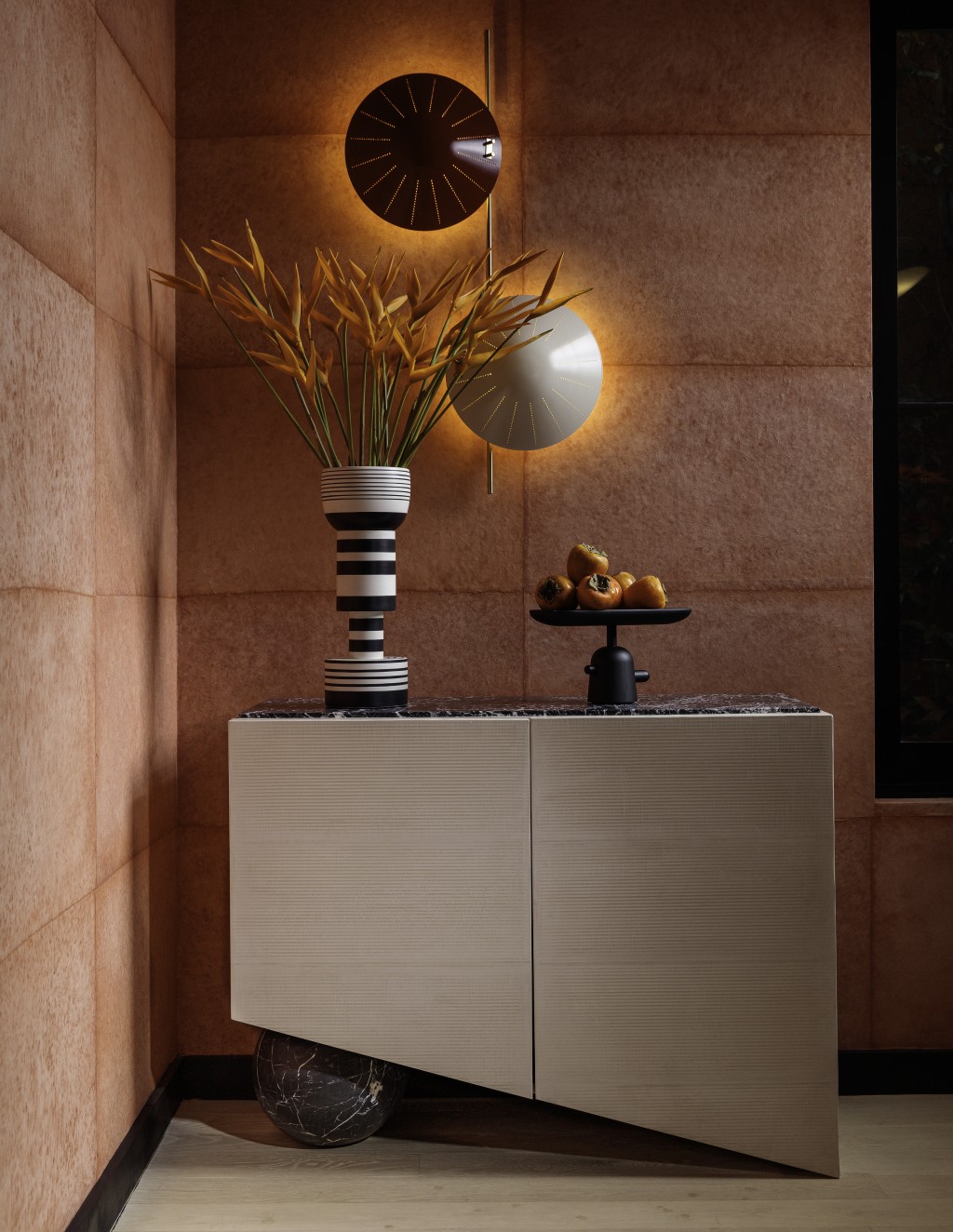
Wall lighting is becoming a more intentional design feature, used to wash walls in light rather than simply illuminate a room from above. “Careful placement is essential to create the right mood,” says interior designer Katie McCrum.
It is no surprise that wall lights are also becoming more sculptural and more dramatic. In kitchens and bathrooms alike, they are now statement pieces in their own right, often hanging a little lower than expected for extra visual presence.

Choose this lightweight but impactful wall lamp if you want to add texture to a room.
12. Contemporary curtain trims

Once seen as too traditional, curtain trims are being reimagined in a thoroughly contemporary way. Tassels, embroidery, quilted panels, and decorative edges are now being used with much more confidence.
“I’m drawn to hand-finished details — embroidered patterns, hand-quilted panels, even scalloped edges on drapes,” says designer Julia King. The result is a treatment that gives ordinary curtains more depth, personality, and style.
13. Hidden home offices

A small home office now means a workstation that can be disguised. To a casual glance, it might look like a drinks cabinet, a writing desk, or even a cupboard. In reality, it hides papers, equipment, and the mess of everyday work.
“For most of our clients, this means using a spare bedroom as a home office that can still function as a guest room when needed,” says Candace. “Others have added ADUs or converted garages into separate workspaces. And when space is limited, we help clients define a zone in the home using one clever piece of furniture that serves multiple purposes.”
14. Outdoor bathing

Since Gwyneth Paltrow introduced her home spa to the world, designers have continued exploring ways to bring that same restorative feeling into domestic spaces. Materials, textures, steam rooms, and now outdoor showers and tubs are all part of the bathroom conversation.
“For a raw outdoor feel, consider materials like blackened steel with a patina or rustic wood with live edges,” says Victoria Holly. “I also like using larger-format tiles with a concrete look, or waterproof plaster finishes that mimic concrete.” Exposed copper pipes and black iron fittings can add to the effect.
15. Luxury outdoor lighting

As outdoor living spaces become more important, luxury lighting has followed them outside. Statement fixtures are now essential, not optional.
“Outdoor lighting stops our gardens from becoming dark holes when seen from inside the house,” says garden designer Kate Gould. Scott Richler adds that sculptural lights are a major trend, especially customisable designs made from durable outdoor-friendly materials. Good garden lighting does more than help when you are outside; it also changes the way you experience the home from the inside, turning the garden into a feature to enjoy and celebrate.
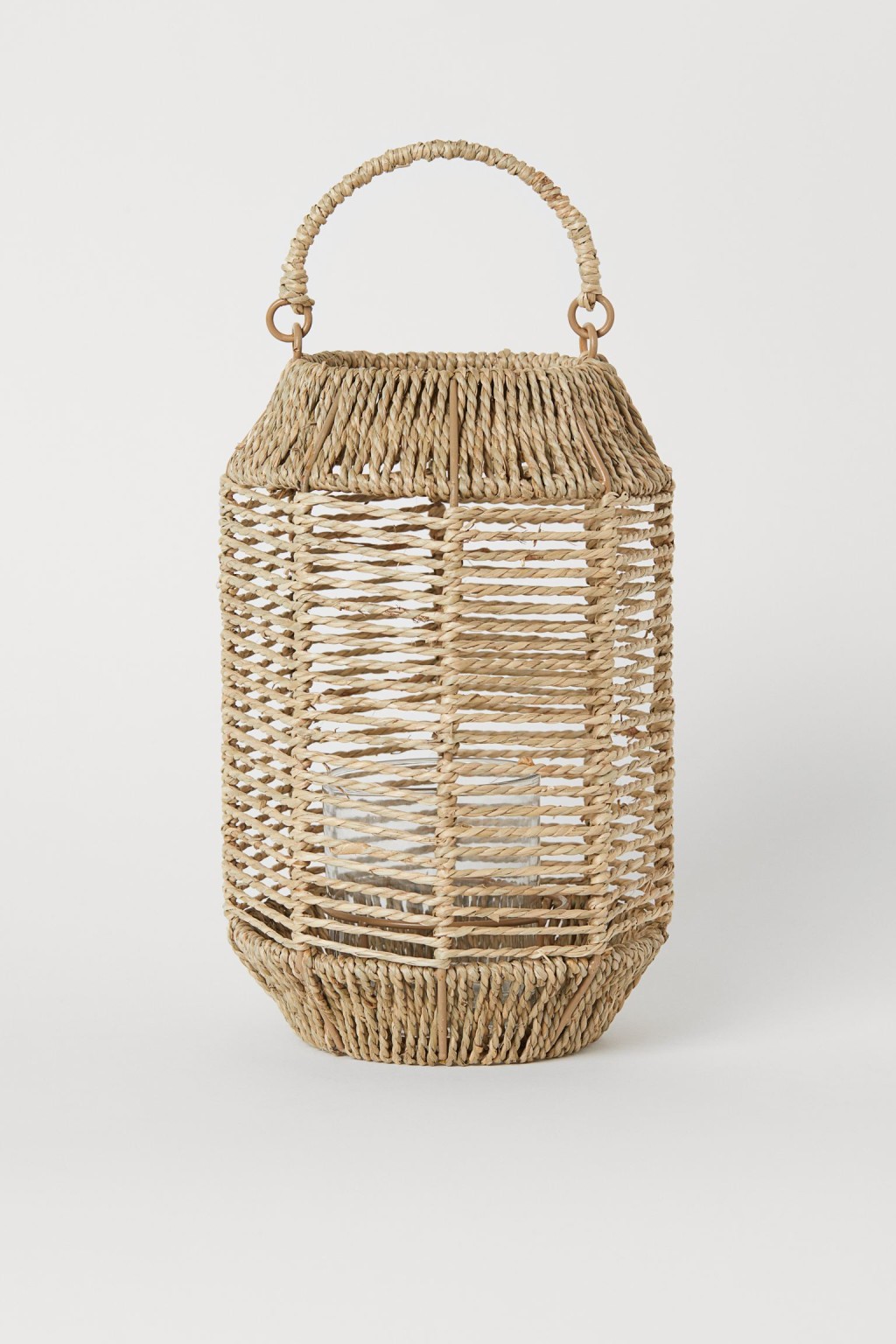
Add a stylish touch to your outdoor seating area with this natural, delicate lantern.
16. Irregular rugs
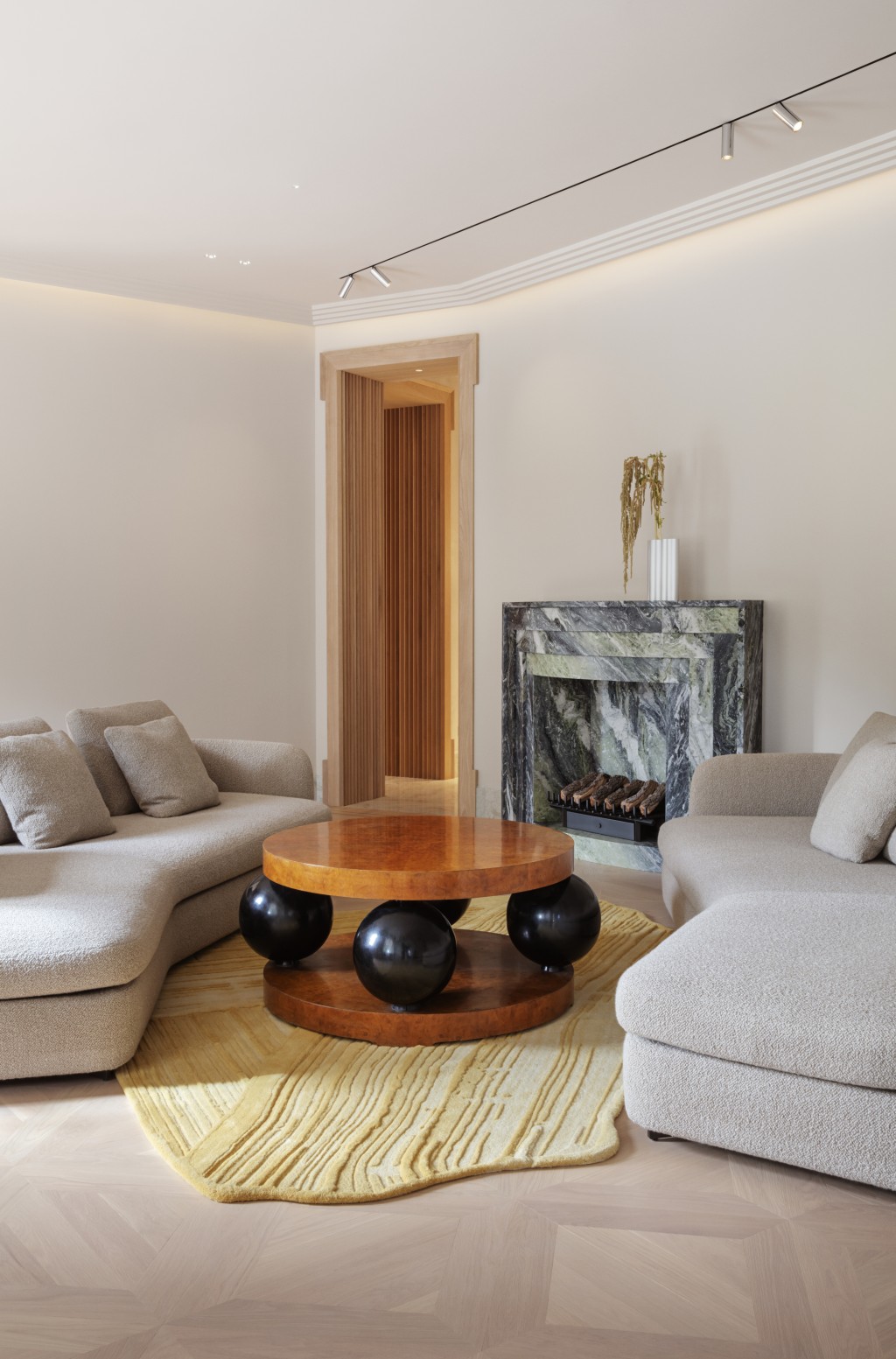
Irregular rugs are striking pieces that do more than cover the floor: they shape it. Their unusual outlines bring a fresh contour to interior design, while their bold patterns help define a room.
Whether curved, geometric, or angular, these rugs show a willingness to think outside the box. “Scalloped edges are not going anywhere,” says Cat. “We love a playful moment, which is why we suggested Henry Holland’s Diagonal Melt rug, where the stripes literally melt into the corner.”
17. Plush seating

Designers are showing how a more relaxed approach to seating can still deliver high style. Plush, curved pieces combine comfort, practicality, and a refined look.
“Curved and cushioned sofas became popular in the 1950s, when Vladimir Kagan created his Serpentine sofa,” says interior designer Samantha Wilson. “Since then, and thanks to that iconic piece and its many reinterpretations, designers have had more freedom when shaping a room.”
18. Earthy tones

For a calm, relaxed, and welcoming interior, earthy and nature-inspired shades are taking over. Ochre, bronze, taupe, soft pink, and light grey are all becoming important in bedrooms and living rooms, and that interest is expected to continue through 2024.
“We love colour, so we’ve recently used some gorgeous palettes in our projects,” says Cat. “We’ve wrapped cabinetry, ceilings, and walls in a buttery taupe. Colour can feel so atmospheric and soulful, and we’ll keep returning to it. Soft dusty pinks have also worked beautifully in minimalist schemes.”
19. Contemporary accents

Literally meaning “deceive the eye,” trompe l’oeil is a long-established artistic device and painting technique that has appeared in art for centuries. It is partly a display of skill and partly a delight for the viewer. In the home, it adds surprise, humour, and a memorable talking point.
“I like trompe l’oeil that does not try too hard to be photorealistic,” says Dan Mazzarini. “Something more gestural is always more fun. In this Kate Spade-inspired room, we hand-drew architectural elements for a playful but still classic interpretation.”
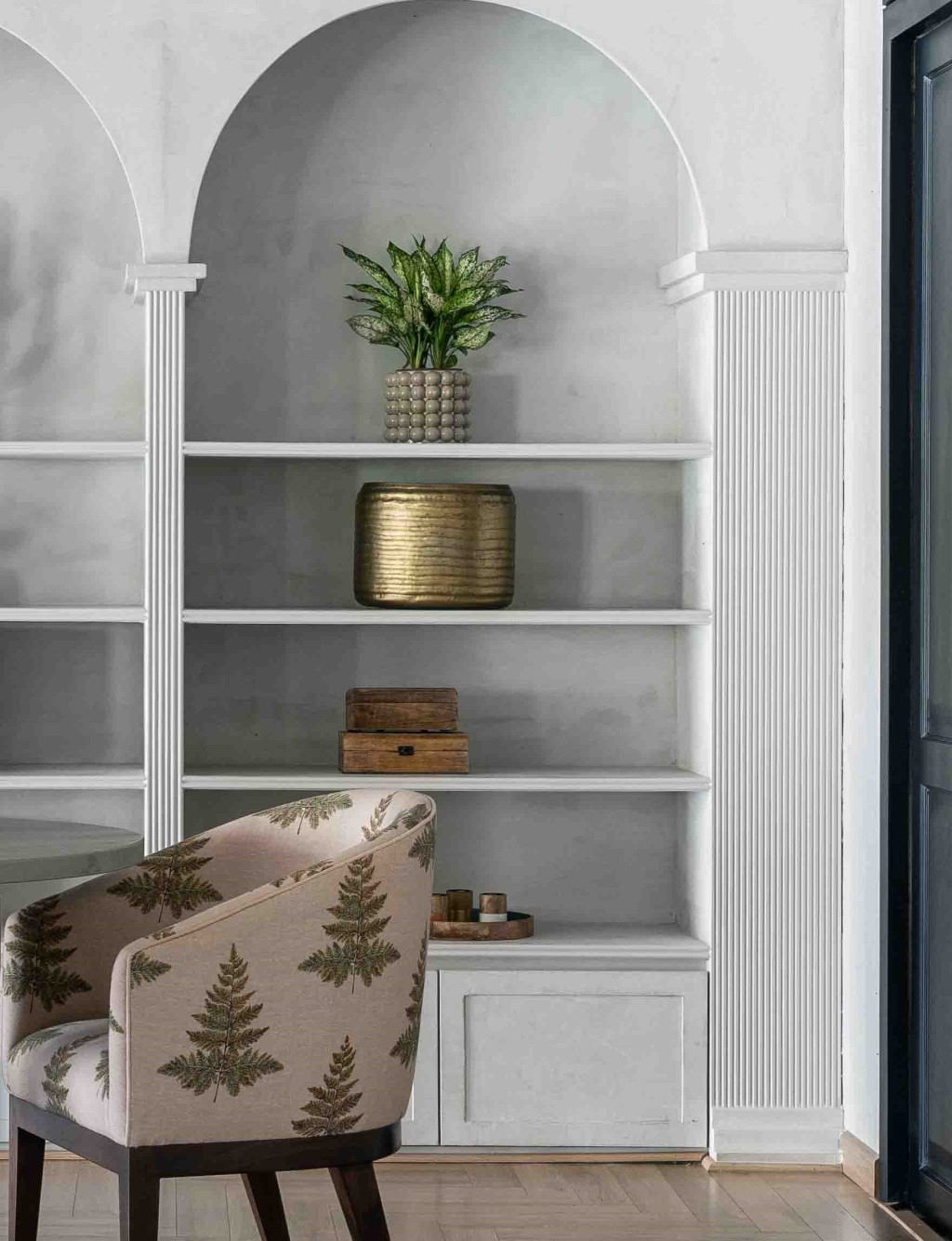
20. Arches

Arches have long been an architectural feature with enduring appeal. They add whimsy, old-world charm, and a sense of framing to important spaces. They also continue to prove their value in interiors.
“Arches remain on trend because of their timeless appeal and versatility,” say Rashi Bothra and Ruchi Gehani. “They add elegance and character, create architectural interest, and work across styles from classic to contemporary to minimalist.”
21. Coloured concrete
Bathroom trends are leaning toward personal expression while preserving a calm, spa-like atmosphere, which is where concrete comes in. Its depth and texture make it well suited to this kind of space, especially as coloured versions become more common.
“Coloured concrete offers a wide range of possibilities for floors, countertops, and even walls,” say Rashi and Ruchi. “Its durability and low-maintenance qualities also make it attractive for many applications. Acid-coloured concrete floors remain popular because the process allows for a high level of customisation.”
22. Cork flooring
Forget the orange cork tiles of the 1970s: cork flooring is back, and it is better than ever. Its eco credentials and sustainable sourcing make it one of the key flooring trends for 2024, and it is available in a variety of shades.
“Cork always adds warmth to a scheme,” says interior designer Staffan Tollgard. It also has natural thermal properties, making it a useful insulating material and a practical alternative in some settings.
23. Portable table lamps

Portable table lamps have moved far beyond the uninspired “USB lamp” stereotype. Rechargeable lighting now comes in far more elegant and useful forms, with designs that combine style, flexibility, and ease of use.
“Portable table lamps are popular because they are versatile and adaptable,” say Rashi and Ruchi. “They let homeowners shift the mood and focus of a room as needed. They are important for task lighting and accent lighting, while also acting as decorative elements.”
24. Red-earth ceramics
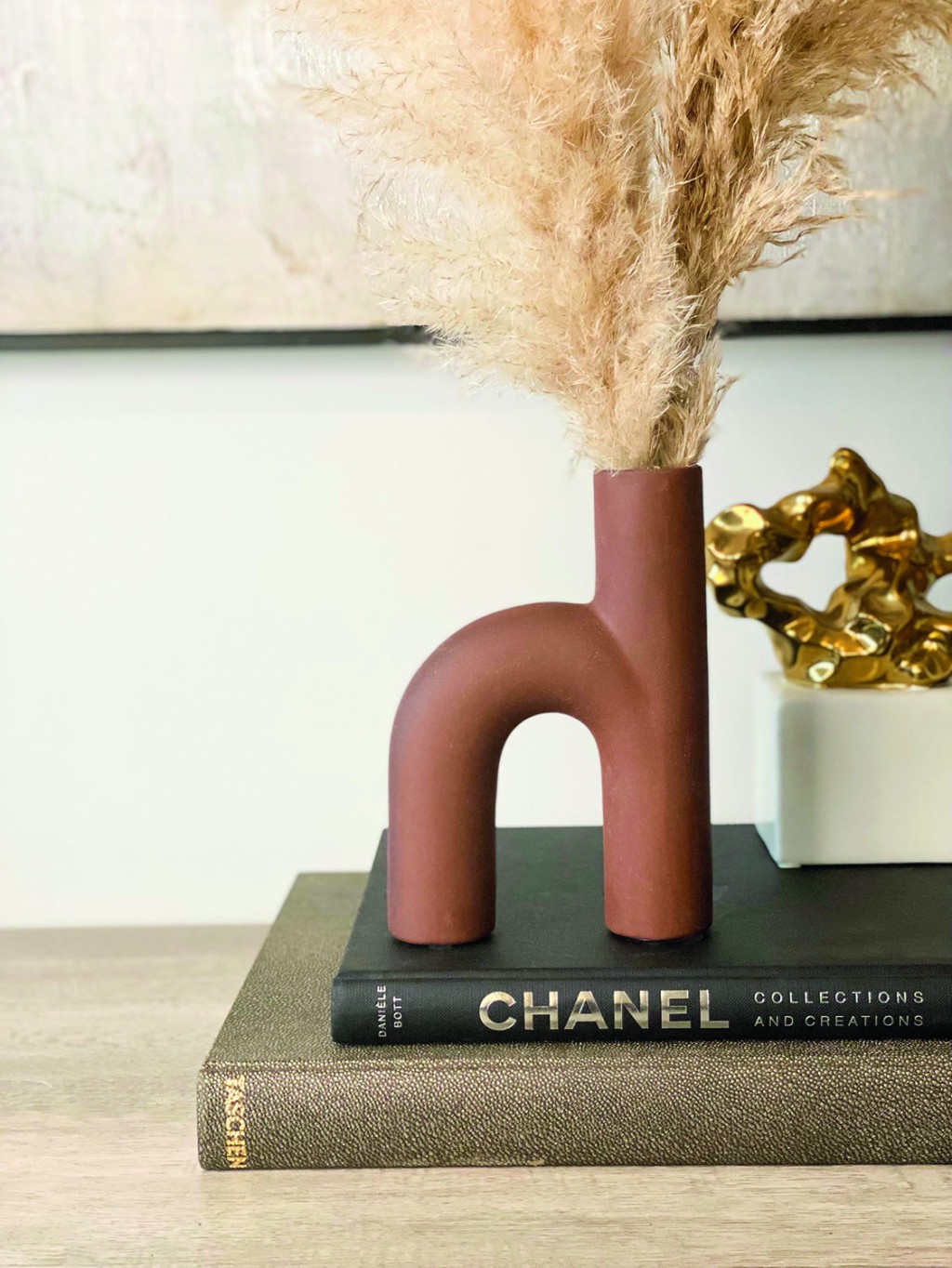
With their natural warmth, red-earth ceramics offer a refreshing alternative to the more common white versions. Often associated with rougher pottery, red clay is now appearing in refined vases and objects with a distinctly contemporary edge. Look for subtle curves, unglazed finishes, and handmade irregularities that make them feel both raw and sophisticated.
“Ceramics have a long history in interior design and remain timeless because of their versatility,” say Rashi and Ruchi. “They come in many colours, textures, and forms, which allows for endless creative possibilities.”

Add an earthy, warm, and welcoming touch to a corner or entrance hall with these red clay vases.
25. Rippled wood
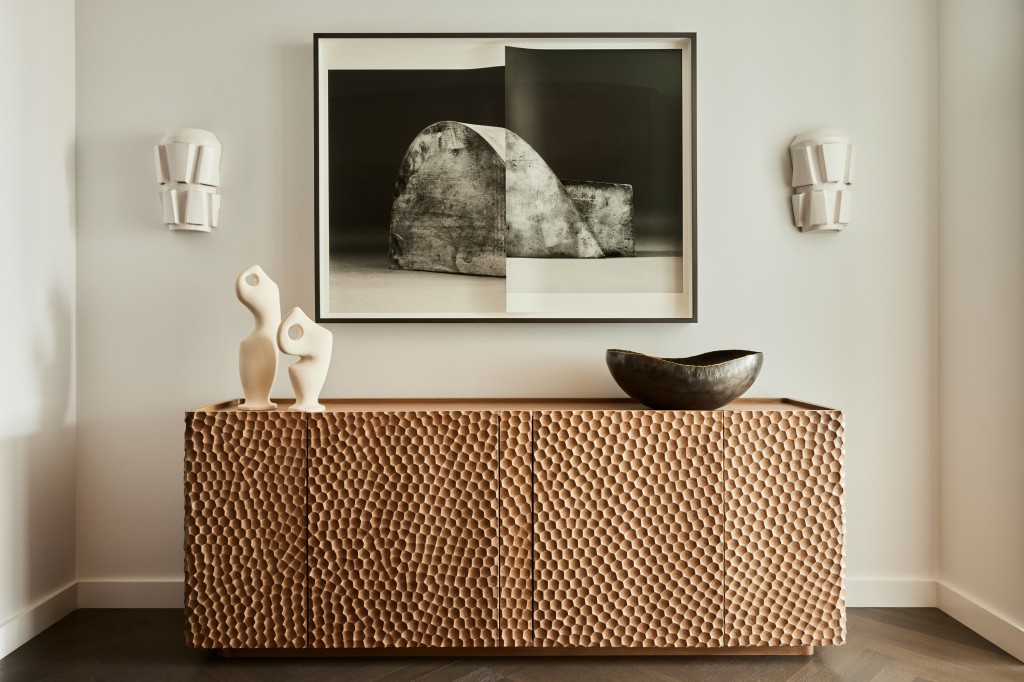
Curved, fluted, or rippled wood is emerging as a subtle but highly appealing niche trend for 2024. It gives a modern twist to one of the most familiar materials and moves wooden furniture away from straight-edged forms in favour of softer, more fluid lines.
“As sustainability becomes increasingly important, there has been more use of responsibly sourced and certified wood,” say Rashi and Ruchi. “Recovered wood and engineered wood products are also gaining popularity. Wooden furniture is being integrated with smart technology, and modular designs are allowing users to adapt pieces to their space. Curved and organic forms add a sense of modernity and artistry.”
26. Glazed exterior tiles
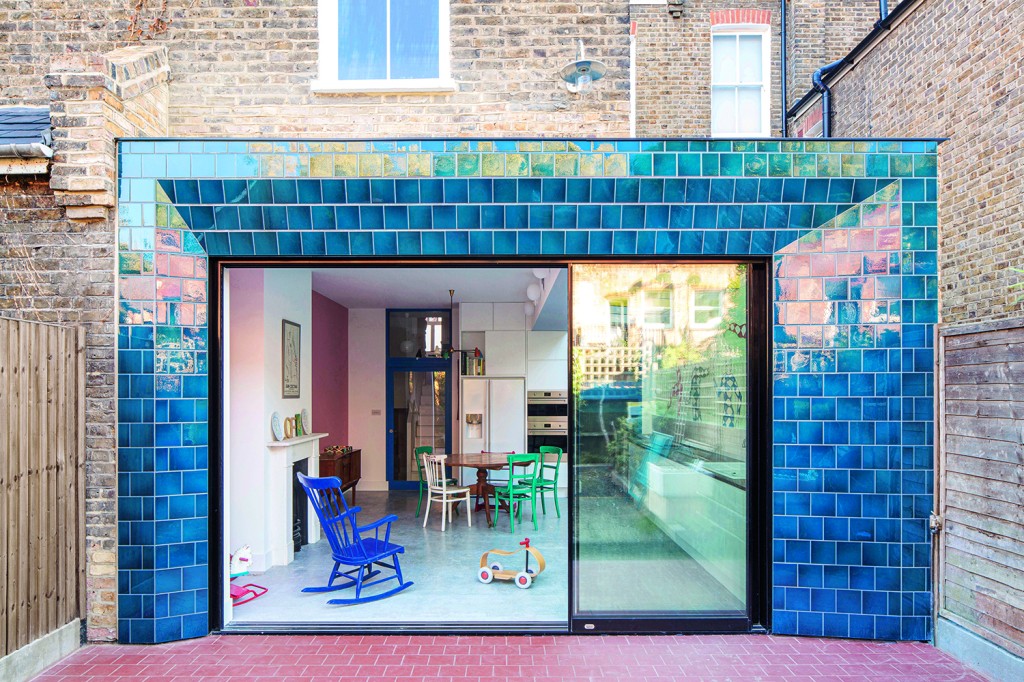
Bright glazed exterior tiles bring colour and contrast to traditional brickwork, offering a striking cladding solution for modern house extensions. The finish is not only visually distinctive but also practical: it is durable, low-maintenance, and can last for more than 150 years.
“Glazed exteriors are unexpected and cheerful, breaking the usual rules of home renovation,” says Melissa Beasley. “They meet the demand for decorative façades and create an exterior that feels unique and crafted.”
What is the decorating trend for 2024?
One of the biggest decorating trends for 2024 is a move toward natural, earthy spaces that feel connected to the outdoors.
“The rooms I design have the sensitivity of a spa,” says interior designer Noa Santos. “Natural materials like marble and stone work together to feel almost monastic, especially in soft neutral tones such as cream and beige.”
Materials that fit this look include marble, concrete, and Taj Mahal quartzite. “They still look beautiful after a lot of wear and mean you do not have to worry constantly about coasters,” Noa says. “I also love silver travertine and we use limewash extensively. It has the same softness and subtlety as Venetian plaster, but if Venetian plaster cracks, you have to replace everything. Limewash can be easily touched up, which is refreshing from a design point of view. Tadelakt works well in a wet room too. Imagine saving all that time by not having to scrub grout. In terms of colour, we are working with a lot of natural shades such as ivory and beige, which feel more enduring than jewel tones. That said, I also love blue stone and a green marble called Guatemala Verde. It is incredibly dramatic.”
Which colours and materials will be in style in 2024?
“Calming, sophisticated, deep tones will be important in interiors in 2024,” says designer Gabriel Scott. “Especially in bedrooms, we are often asked to customise pendant lights and sconces so they either blend into a dark interior or stand out against it.”
“Highly desirable materials such as marble, onyx, and granite will continue to be as popular as ever,” he says. “Combining precious stone with interesting natural materials, warming metals, and a carefully considered colour palette will be the ideal formula for luxurious interiors.”
latest posts published
Essential Elements That Cannot Be Missing from Scandinavian Decor

17 Original White Wood Kitchen Design Ideas

What Is Minimalism as a Lifestyle, and What Are the Benefits of This Way of Living?
Colors for Modern Kitchens: Ideas and Trends

From hanging wreaths to stockings full of treats: discover 10 ideas for decorating your Christmas fireplace mantel

5 DIY Christmas Decoration Ideas
5 Ways to Create Functional Zones by Separating the Kitchen from the Living Room
30 Black Kitchen Decorating Ideas
5 Roulette Strategies Allowed in Any Casino