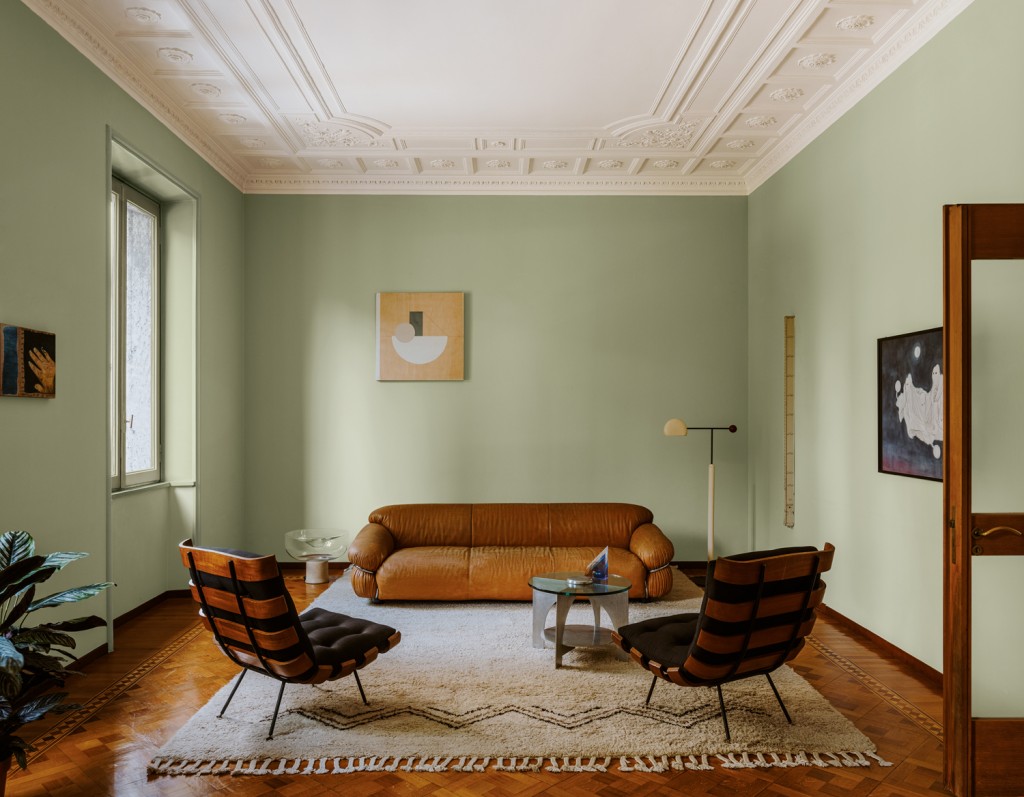
You’re excited and ready to begin your new home, and you’ve decided to hire an interior designer. That’s a smart move. The next step is making sure the designer you choose is the right fit for you and for your home. The selection process can feel overwhelming, but don’t let uncertainty keep you from moving forward.
This guide covers the essential questions you should ask an interior designer to make the process easier and help you choose with confidence.
Before You Hire an Interior Designer
Before you jump into the search for your ideal designer, there are a few practical things to think through. A prepared client makes the design process smoother, more enjoyable, and far more likely to succeed. Once you’ve done some basic research, you’ll also have a clearer sense of what your home actually needs, which makes it much easier to identify the right professional.
1. Your budget
Start by thinking about how much you can spend, not how much you hope to spend. Be realistic and honest with yourself. A proper budget is one of the most important parts of the entire project.
Write down your income and how much you can set aside each month. If you don’t have enough saved yet, create a savings plan and keep an eye on affordable interior designers, while remembering that cheap can sometimes become expensive later. Once the project begins, it also helps to track expenses with a project budgeting app so you can stay in control.
2. How much time you can dedicate
Just as important as budget is the amount of time you can commit to the project. The size and complexity of your interior renovation will determine how long it takes, so it’s better to be realistic from the start.
A large-scale home renovation can require significant planning and may even mean living elsewhere for a while. Even smaller room updates can take anywhere from a day to a week or longer, depending on the scope of the work. During that time, you may need to go without some of your usual comforts and conveniences.
3. The location and scope of the work
First, decide whether you want to hire an interior designer online or bring one into your home. Think carefully about where you need help and how involved the designer should be in the process.
If you plan to make structural changes, plumbing adjustments, lighting relocations, or electrical rewiring may also be required, which can increase the total cost. An experienced interior designer can help you manage these details and may also guide you toward the right contractor for the job.
4. The style you want to achieve
Think about the look you want your home to have. Use the rest of the house as a reference when updating one room so the final result feels connected to the overall style.
If you’re not sure what your home’s design direction should be, look at photos of houses that inspire you online or in magazines. This gives the designer a better sense of the atmosphere and aesthetic you want. You can also start with one item you already love in your home, such as a rug or a decorative cushion, and build the new design around it.
5. Your inspiration ideas
Create an inspiration folder before you begin. Save every style, color palette, finish, piece of furniture, and pattern that catches your eye. Pinterest can be especially useful for collecting ideas in one place. If you are only updating one room, gather images of similar rooms so the designer can understand the type of result you want.
Questions to Ask the Interior Designer You Want to Hire
1. What are your qualifications and references?
Make sure the person you hire has legitimate credentials and references. If your budget is tight, you may consider a less experienced designer, but you should still check references and review examples of past work carefully.
2. What interior design services do you offer?
Not every designer offers the same services. You need to know exactly what is included. Typical services may include:
- design consultation
- site measurement and assessment
- space planning
- design concepts
- shopping or procurement
- project management
Some designers offer a complete package, while others focus only on selected stages of the process. Clarifying this early helps prevent misunderstandings later.
3. How do you structure your interior design projects?
The way a designer organizes a project says a lot about how they manage time and what you can expect from the process. Ideally, the work should begin with an initial consultation, followed by a discussion of fees before the design phase gets underway. The designer should also present a concept before the final details are locked in.
This structure helps you stay informed and gives you a chance to review the direction of the project before major decisions are made.
4. How do you charge?
This question is directly tied to your budget. You should know whether the designer charges a fixed fee, an hourly rate, or a percentage of the project cost. If you expect to contact the designer frequently, a flat fee may be easier to manage than an hourly rate, which can add up quickly. On the other hand, if you prefer fewer consultations and a more limited level of interaction, an hourly arrangement may work well.
Designers who charge a percentage of the project typically do so on larger jobs that require more coordination, purchasing, and oversight during installation.
5. Can you recommend contractors?
If the designer already works with trusted contractors, you may be able to benefit from that relationship. Even when there is no discount, a solid contractor recommendation is valuable. A skilled contractor plays a major role in the success of the project, and the quality of the execution directly affects the designer’s reputation as well.
6. Have you completed similar projects?
This helps you understand the designer’s level of experience. If you are looking for someone to design an apartment, ask to see other apartment projects they have completed. If they have worked on similar spaces, request before-and-after photos or images taken during the process so you can see whether you like the results.
7. What is your preferred interior design style?
Understanding style preference matters because, while a good interior designer should be able to work across different aesthetics, that is not always the case in practice. If the designer’s natural style is close to your own, the collaboration is likely to feel easier and more fluid.
8. What was your most recent interior design project?
You can go a step further and ask to see part of that project. A designer’s most recent work can tell you whether they are using current design ideas and whether they are comfortable with innovation. You may also ask for a reference from that client to learn whether they were satisfied with the service and final result.
9. What are your must-have elements in interior design?
This is a useful way to test the designer’s intuition and see whether their natural approach matches your taste and lifestyle. It also gives you a sense of how detail-oriented they are. Their answer may reveal whether they focus more on aesthetics, function, comfort, or a balance of all three.
10. How can I live better at home?
Ask this carefully, because the question is broad. The point is not to get a vague motivational answer, but to see whether the designer understands what is available on the market and whether they are informed about innovation, especially in relation to smart living. Their response can tell you how current and practical their knowledge really is.
Now that you know how to hire an interior designer and what to ask before making a decision, you are ready to start creating the home you’ve been imagining.
latest posts published
Essential Elements That Cannot Be Missing from Scandinavian Decor

17 Original White Wood Kitchen Design Ideas

What Is Minimalism as a Lifestyle, and What Are the Benefits of This Way of Living?
Colors for Modern Kitchens: Ideas and Trends

From hanging wreaths to stockings full of treats: discover 10 ideas for decorating your Christmas fireplace mantel

5 DIY Christmas Decoration Ideas
5 Ways to Create Functional Zones by Separating the Kitchen from the Living Room
30 Black Kitchen Decorating Ideas
5 Roulette Strategies Allowed in Any Casino