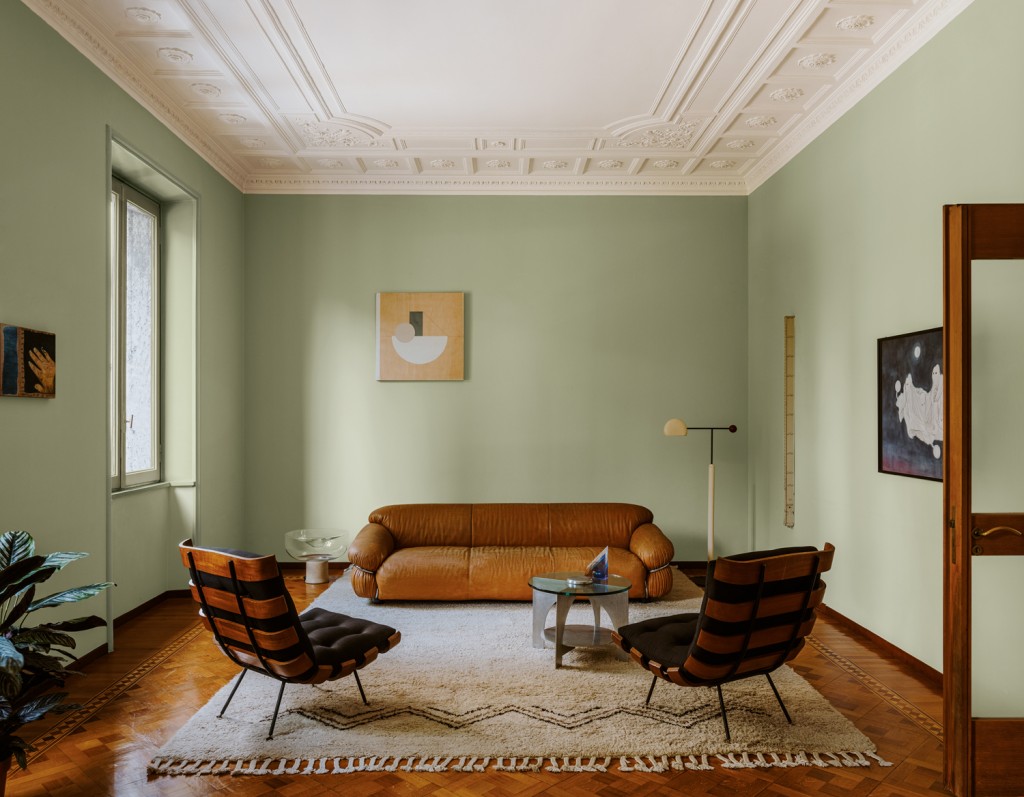
Painting walls is a straightforward task that most people can do, and it can transform the look of a home in a remarkably effective way. I hope these tips are helpful.
Step 1: Prepare the room
If you want a neat result, the room should be prepared carefully so that the floor and other surfaces do not get stained. Masking tape, newspaper, and plastic sheeting can all help protect the area. Tape is also useful for marking off sections that will not be painted, such as baseboards and door frames.
Step 2: Prepare the surface
The first thing to do is distinguish between walls that are being painted for the first time and walls that already have previous coats of paint. This matters because each surface requires different treatment.
New walls
For new walls, start by removing any impurities with a large spatula and apply a sealing coat or wall primer before repairing any holes or cracks. If the wall is plaster, never sand it unless it has already been painted. Otherwise, sanding marks may become visible once the paint goes on, and they can be very difficult to hide.
Walls with previous paint
If the wall already has paint, check whether the layers are too thick, of poor quality, or affected by dampness. In those cases, blisters or peeling paint may appear and should be removed with a spatula.
There may also be stains caused by fungus, smoke, or mould. These should be cleaned with water and detergent; otherwise, they may reappear after painting. A primer is also recommended, especially when the previous paint is very old. It is worth understanding the importance of primer before starting the job.
Step 3: Repair the damaged areas
Now is the time to fill any cracks and holes that need attention. Use a putty knife and the appropriate filler to complete the repair work. Sand the patched areas, and if the wall already has previous coats of paint, lightly sand the entire surface as well so the new paint will adhere properly. When you are done, remove the dust with a brush.
The filling material may be plaster, plastic plaster, wall paste, or a specialised filler. Depending on the manufacturer, the product may come in different forms, but the application process is generally similar. Always read the instructions on the package to understand how to prepare and apply it correctly.
Step 4: Choose the paint and colours
Wall paints come in several types, including plastic, acrylic or latex, and vinyl, all of them water-based. These are the most common choices for interiors because they are easy to apply and have a low odour. The finish can be matte, semi-matte, or glossy. In some cases, synthetic enamels are used, although these usually require more experience to apply well.
This is also where you can express your taste through the colours you choose for your home. Colours can reflect your personality or the atmosphere you want the space to have. Once you have decided, you can buy paint ready-mixed or have it prepared in store through a tinting system. Another option is to prepare it yourself in two ways: by adding universal colourants or toners, or by mixing different paint colours.
Step 5: Paint the walls
The number of coats will depend on whether the wall is new or old and whether the previous colour was very dark or significantly different from the new one. In most cases, 2 to 3 coats are enough for proper coverage. Let each coat dry according to the instructions on the container before applying the next one.
For even coverage, especially when using a roller, the W technique is very effective. It helps distribute the paint evenly and leaves a smoother, more uniform finish across the surface.
latest posts published
Essential Elements That Cannot Be Missing from Scandinavian Decor

17 Original White Wood Kitchen Design Ideas

What Is Minimalism as a Lifestyle, and What Are the Benefits of This Way of Living?
Colors for Modern Kitchens: Ideas and Trends

From hanging wreaths to stockings full of treats: discover 10 ideas for decorating your Christmas fireplace mantel

5 DIY Christmas Decoration Ideas
5 Ways to Create Functional Zones by Separating the Kitchen from the Living Room
30 Black Kitchen Decorating Ideas
5 Roulette Strategies Allowed in Any Casino