Pruning, fertilising, watering, weeding: having your own garden means one thing above all else — a lot of work. Relaxation and enjoyment can sometimes feel in short supply. Would you rather not have a garden if it meant more free time? Fortunately, you can have both. The plants in this article do more than look beautiful outdoors; they are also so easy to care for that you can spend your time on the things that matter more.
Easy-care garden plants for outdoors
You do not need to devote every free moment to the garden to keep it looking attractive and well tended. There are plenty of plants that combine visual appeal with low maintenance, making them ideal for anyone who wants a lovely garden without constant effort.
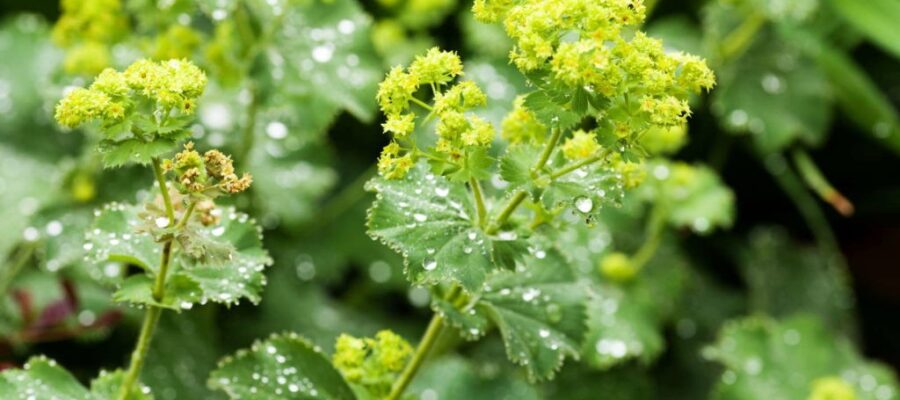
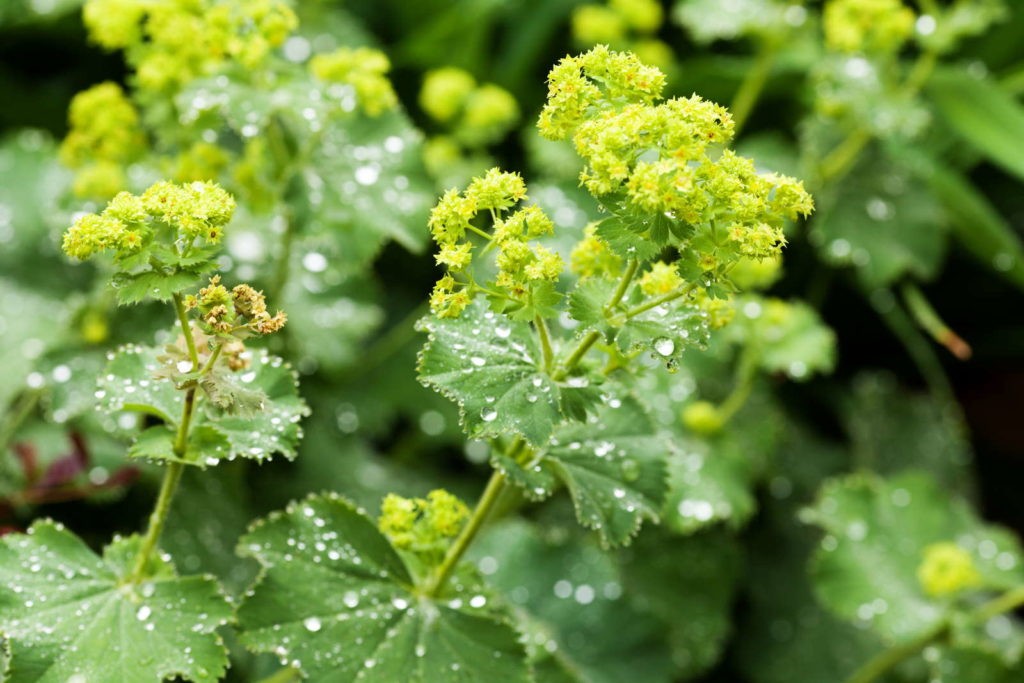
1. Lady’s mantle
Admittedly, lady’s mantle is not the most eye-catching plant at first glance. Even so, it is an excellent ground cover that helps fill out a border and create a softer, fuller look. It is also sturdy and long-lasting, so frequent replanting is a thing of the past. Lady’s mantle feels most at home in a sunny or partially shaded position with nutrient-rich, well-drained soil. The only real maintenance it needs is a cutback after flowering; otherwise, it can spread freely and may soon crowd out its neighbours.
2. Rosemary
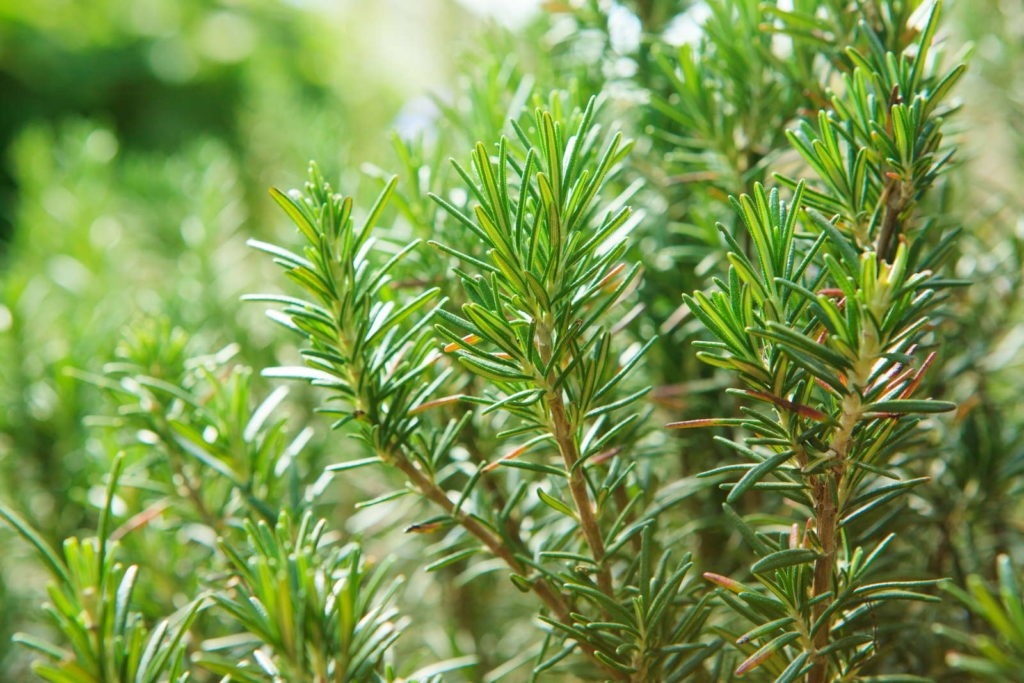
Rosemary is not only easy to care for, but also a welcome addition to any herb bed. Thanks to its Mediterranean origins, it is well adapted to longer dry spells and only needs watering very occasionally. It is not particularly demanding when it comes to soil either; a poor, well-drained soil is perfectly sufficient. As long as it has plenty of sun, or at least partial shade, rosemary will be quite content.
3. Iris
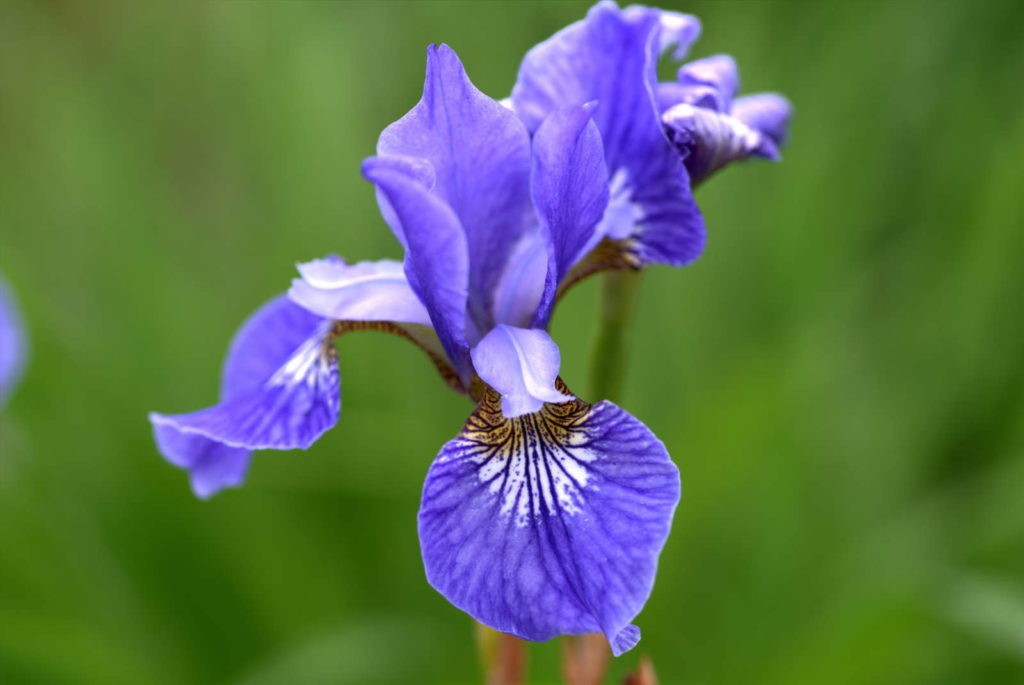
The meadow iris is a real beauty. It is no surprise, considering it belongs to the iris family and delights with its blue-violet blooms. Unlike some of its more demanding relatives, however, the meadow iris is very low maintenance. It sheds its faded flowers on its own, which saves a little extra work. It is also highly resistant to pests and fungi and rarely falls ill, if ever. The plant thrives best in a sunny, airy spot with loose soil.
4. Bellflower
Bellflower is another attractive addition to any garden. Its blue, bell-shaped blooms appear as early as April and May, making it one of the first colourful highlights of spring. It prefers a shaded or partially shaded location, and the soil should stay moist while it is flowering. Once the blooms are over, the flower heads should be cut back. For the rest of the year, the plant asks for very little; it will return on its own the following spring.
5. Lavender
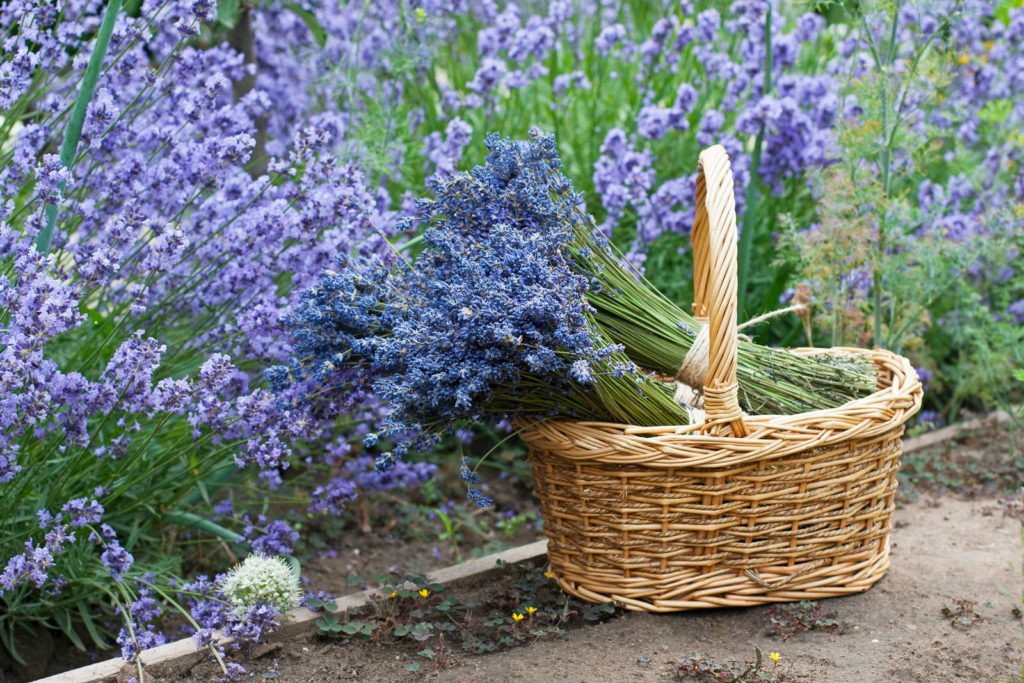
Lavender is pleasing not only to the eye, but also to the nose thanks to its aromatic scent. Mosquitoes tend to avoid its fragrance, which makes it a useful plant for more peaceful evenings outdoors as well. It does best in a sunny, sheltered position and is remarkably robust there. Lavender tolerates strong sun and limited water with ease, so it rarely needs watering and requires very little else in the way of maintenance. Anyone who wants to encourage fresh growth can reach for the pruning shears in spring and again after flowering; after being cut back, lavender blooms especially generously.
6. Arnica
Arnica is especially beautiful. This flowering plant produces a range of blossoms from June to October. Yet arnica is anything but fussy. In a sunny location with clay soil, it will flower well without much attention. That makes it a good choice for a perennial border or a gravel bed, where low-maintenance planting is especially valuable. If you would like a second flush of flowers after the first has faded, simply remove the spent blooms. With this single care step, arnica remains a striking feature throughout the summer.

7. Rose
Roses are the queens of flowers, which is why they often come with high expectations and a reputation for needing plenty of attention. If you love roses but do not have much time, you can now choose particularly easy-care varieties such as the rose cultivar “Larissa”. This rose not only cleans itself by shedding faded flowers automatically, but is also especially resistant to pests and fungi, which often cause problems for other roses. All “Larissa” needs is a sunny, airy position and deep, loose soil. If it has that in the garden, you can enjoy rose splendour without investing much effort.

8. Japanese maple
If you have a garden, you often want a tree in it. Trees not only look attractive, but also provide welcome shade on hot summer days. Many trees, however, especially when young, require fairly intensive care. If you still want to make your dream of having a tree come true, the Japanese maple is worth considering. It does not grow too large, so it is also suitable for smaller gardens. It thrives on its own in a sunny to partially shaded, sheltered position with loose, moist soil. Best of all, you can do without both regular pruning and training cuts if you wish.
9. Witch hazel
Witch hazel is not only easy to care for, but also particularly spectacular. Outside its flowering period, it still resembles a hazel shrub. But when it produces its yellow to red flowers in the middle of winter, its special charm becomes immediately clear. It does not need much to brighten a garden: loose, humus-rich soil that does not dry out completely, plus a sunny and sheltered spot, are enough for this low-maintenance shrub. As for pruning, witch hazel can even be left without regular cutting without any problems.

latest posts published

Essential Elements That Cannot Be Missing from Scandinavian Decor

17 Original White Wood Kitchen Design Ideas

What Is Minimalism as a Lifestyle, and What Are the Benefits of This Way of Living?

Colors for Modern Kitchens: Ideas and Trends

From hanging wreaths to stockings full of treats: discover 10 ideas for decorating your Christmas fireplace mantel

5 DIY Christmas Decoration Ideas
5 Ways to Create Functional Zones by Separating the Kitchen from the Living Room
30 Black Kitchen Decorating Ideas
5 Roulette Strategies Allowed in Any Casino