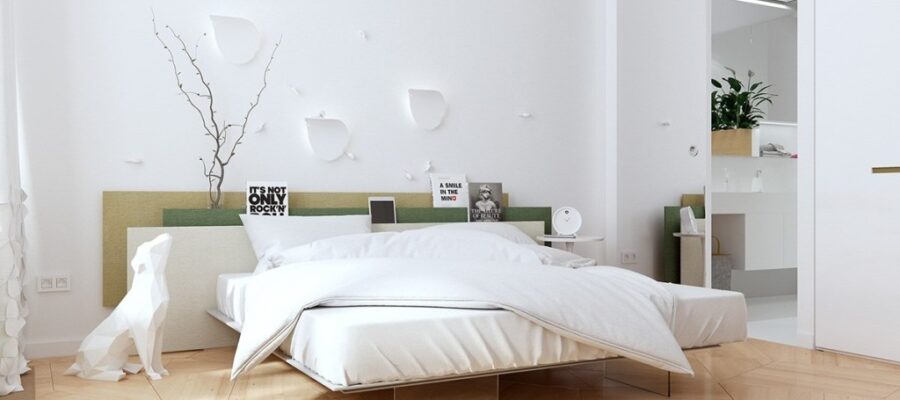
The success of minimalism in recent years has transformed the look of the bedroom. Essential lines, soft light colors, only a few pieces of furniture, and a low bed placed at the center are among the key ingredients for following this decorating trend. The bedroom is, above all, a place for rest: a space where you can sink comfortably under the covers on long winter nights, staying warm and surrounded by soft pillows.
Relaxation should be the guiding principle when arranging a bedroom. Filling the room with too much furniture and too many accessories, or choosing the wrong colors, can make it harder to unwind and fall asleep.
Minimal style is one of the modern trends that has gained remarkable popularity in sleeping spaces thanks to the simplicity of its furniture and its main features, especially the bed.
The 5 essential elements of a minimalist bedroom
Here are the five main factors that help you furnish a bedroom in a minimalist style:
1. A central, low bed
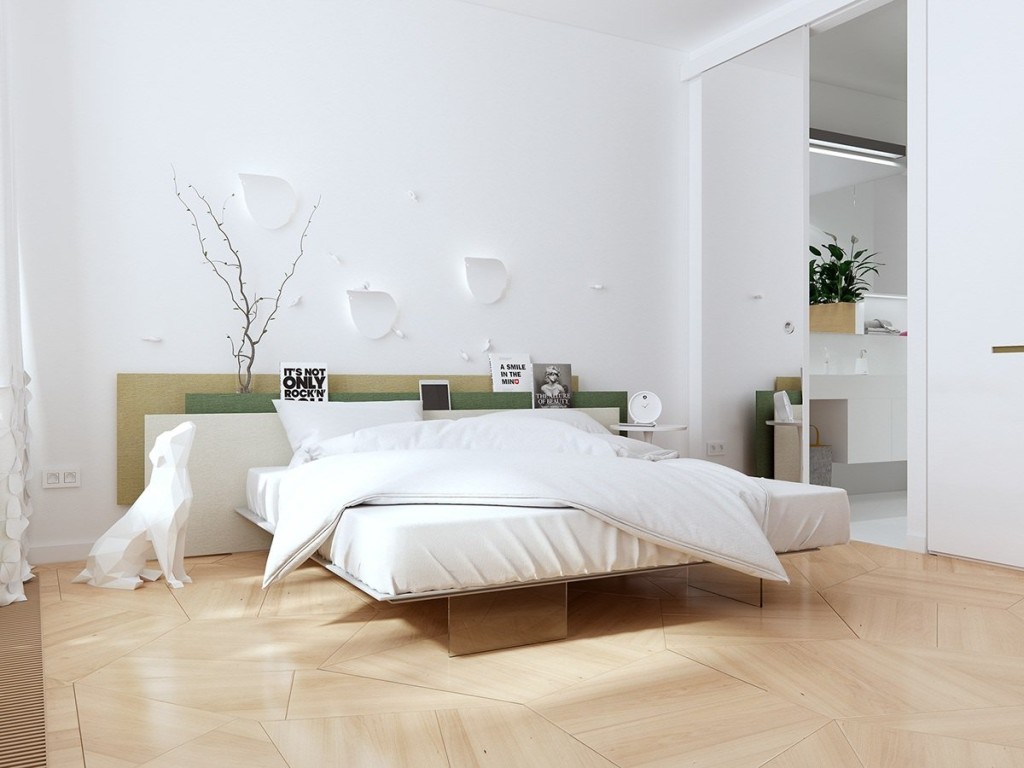
For the bed to play the leading role, its ideal position is central, clearly visible, and immediately noticeable. Straight, well-defined lines evoke a subtle Japanese or Oriental influence, creating a simple, elegant, and disciplined atmosphere.
Low beds also give the room an open, unobstructed feel, removing visual barriers and allowing the entire space to be appreciated more easily. The goal of minimalism is to make the room feel as light and uncluttered as possible, but without making it cold or uncomfortable.
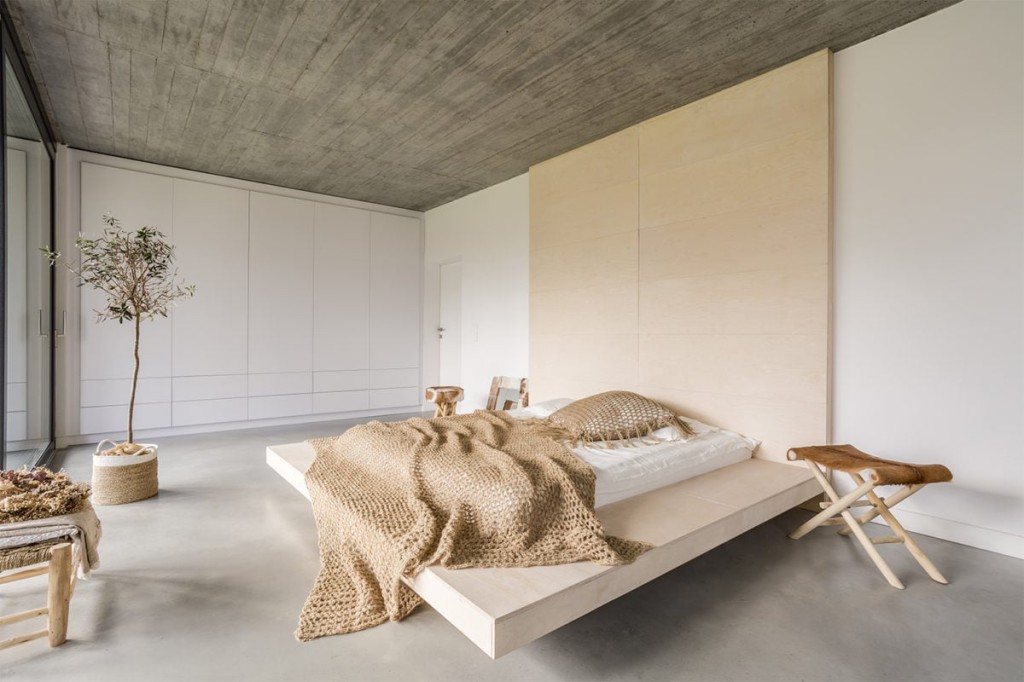
A more contemporary option is the suspended bed: attached to the wall, it has a futuristic appearance and can make the room feel even more open and airy.
Wood is the most suitable material for this trend, because it supports a clean, structured design while still looking modern and refined.
These choices help define the bedroom as a dedicated relaxation area, limiting other activities. Even so, reading a good book under the covers becomes easier, precisely because distractions are reduced.
2. High-quality fabrics

Bedding plays a decisive role in supporting rest and nighttime comfort. High-quality fabrics, especially cotton and linen, help create a pleasant sleeping environment and encourage you to stay under the cover longer, even when the alarm goes off on a weekend.
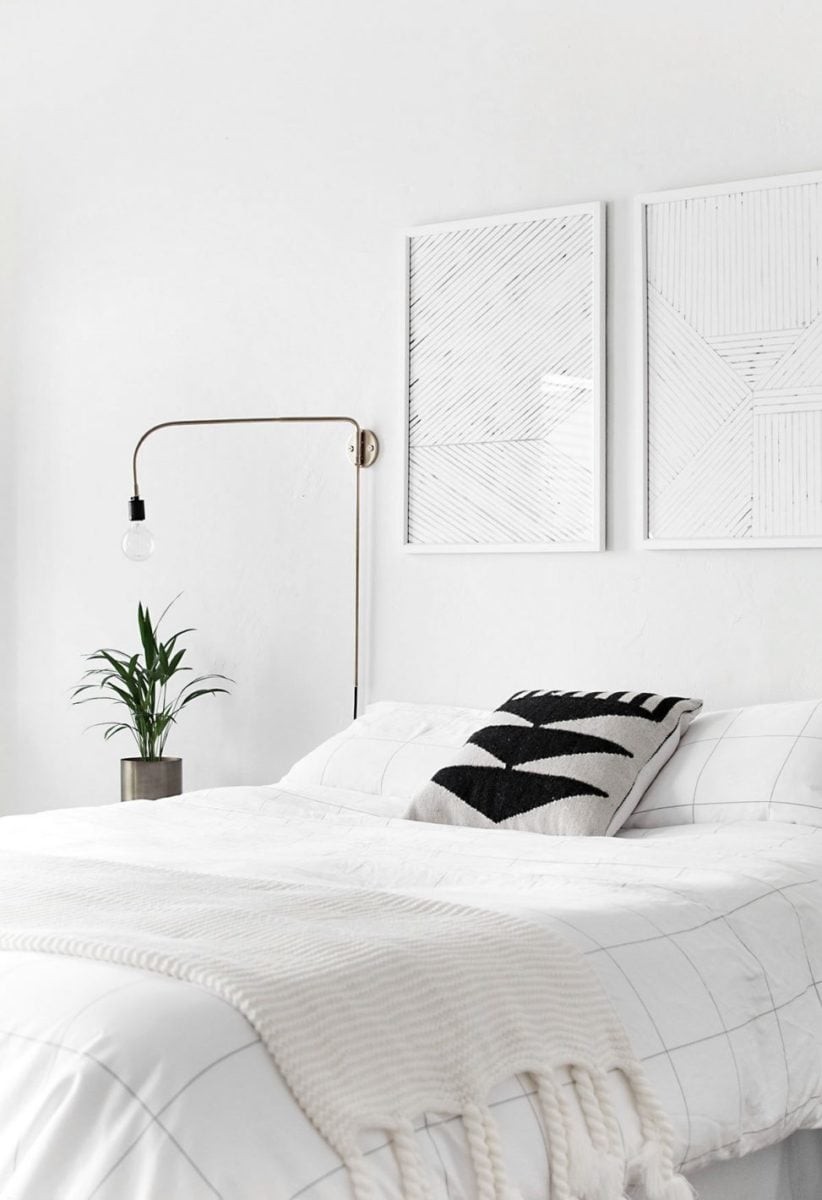
Beyond the fabric itself, light and neutral colors such as gray, white, and taupe, with a subtle move toward sandy tones, help achieve the best possible sense of comfort.
Even decorative items are kept to a minimum: blankets, duvets, and sheets should visually blend with the bed and form a coherent whole.
3. Clear, uncluttered walls

If you prefer a clean visual line that pairs well with windows, which should not feel oversized or overly formal in the way they open and close, the walls in a minimalist bedroom should remain empty, offering the eye large, calm, neutral surfaces.
Paintings, photographs, and extra furniture can disturb the sense of rest, especially if nearby light sources create reflections on framed images or glossy surfaces.

For those who find it difficult to embrace completely bare walls, a simple painting or a solid, sturdy headboard with quilted upholstery can provide a balanced alternative without breaking the minimalist mood.
4. Minimal furniture
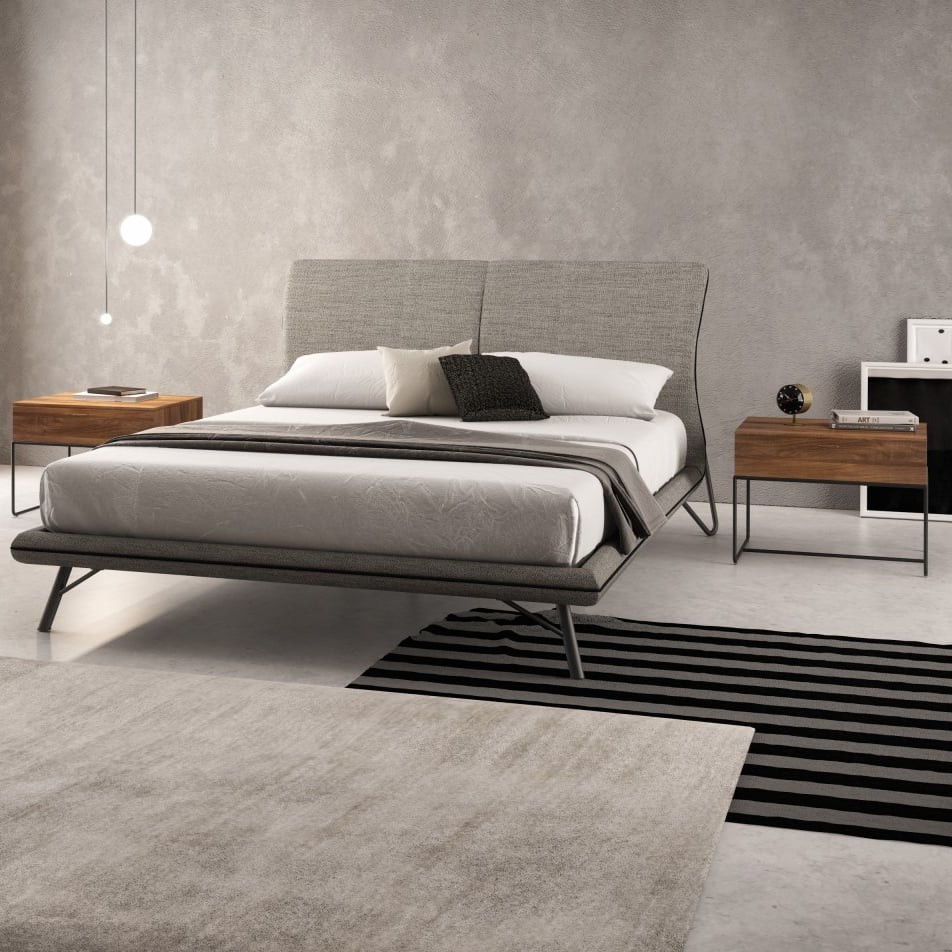
Less is more, and in a minimalist bedroom that principle truly applies. The idea is to leave open space around the bed, which should remain clearly visible and easy to access, without obstacles when getting in or out of it.
The room should contain only a limited number of items: wardrobes, dressers, sideboards, and tables are kept to a minimum. In addition, the colors should remain soft and delicate, with white taking the lead.
5. Ceiling lighting
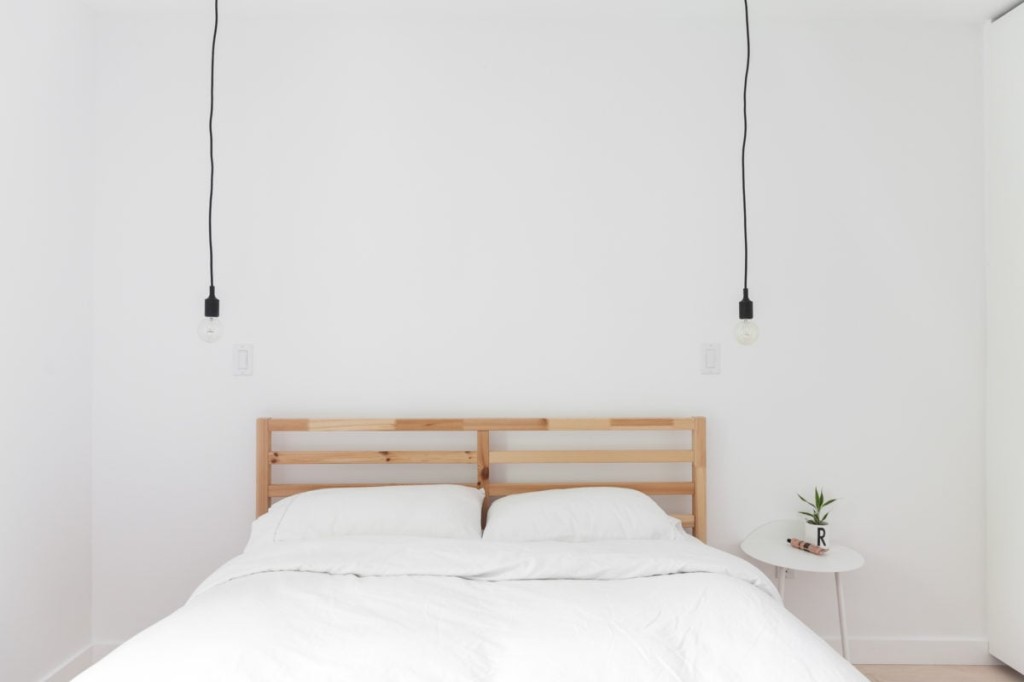
A well-designed bedroom can feel welcoming and comfortable while still reflecting personal taste, and lighting plays a major role in that balance.
Light sources, even when few in number, are usually placed on the ceiling and often suspended, highlighting simple forms with little decoration. With a discreet industrial influence, pendant lights can feature metal structures and bright finishes that provide the right level of visibility.
Color choices are also enhanced by this approach. At the same time, keeping bedside tables and shelves free of lamps and other accessories saves valuable space and reinforces the clean look that defines the style.
latest posts published
Essential Elements That Cannot Be Missing from Scandinavian Decor

17 Original White Wood Kitchen Design Ideas

What Is Minimalism as a Lifestyle, and What Are the Benefits of This Way of Living?
Colors for Modern Kitchens: Ideas and Trends

From hanging wreaths to stockings full of treats: discover 10 ideas for decorating your Christmas fireplace mantel

5 DIY Christmas Decoration Ideas
5 Ways to Create Functional Zones by Separating the Kitchen from the Living Room
30 Black Kitchen Decorating Ideas
5 Roulette Strategies Allowed in Any Casino